
Have you ever had a cold that refused to leave? Instead, it settles in your face with a stuffy nose, a throbbing headache, and painful pressure around your eyes. If this sounds familiar, you have likely experienced sinusitis.
This common condition affects millions of people, but you don’t have to just suffer through it. Therefore, this guide will break down what sinusitis really is, why it happens, and the proven secrets to feeling better, faster.
What Is Sinusitis? A Simple Explanation
First, let’s understand the basics. Your sinuses are hollow, air-filled pockets in your skull. Sinusitis, also called a sinus infection, happens when the tissue lining your sinuses gets blocked and swollen.
Normally, your sinuses are clear. However, when a cold or allergies cause a blockage, fluid can get trapped inside. This moist environment becomes a perfect breeding ground for germs, leading to an infection. While viruses are the most common cause, bacteria can also be the culprit.
Key Symptoms: Is It a Cold or Sinusitis?
Sinusitis can feel like a bad cold, but it has some distinct signs. Look out for:
- Facial Pain or Pressure: A dull, throbbing ache around your eyes, forehead, or cheeks.
- Thick Nasal Discharge: Mucus that is yellow or green often points to a bacterial infection.
- Nasal Congestion: A stuffy or blocked nose that makes it hard to breathe.
- Headache: Often worse in the morning.
- A Cough that gets worse at night.
- Other Symptoms: You may also experience a reduced sense of smell, bad breath, fever, or even pain in your upper teeth.
What Causes Sinusitis to Develop?
Several things can trigger a sinus infection. For instance:
- The Common Cold: Most cases of acute sinusitis start with a viral cold.
- Allergies: Allergic reactions to things like pollen or dust can cause your sinus lining to swell.
- Nasal Polyps: These are small, non-cancerous growths in the nose that can block the sinuses.
- A Deviated Septum: This means the wall between your nostrils is crooked, which can obstruct airflow.
- Environmental Factors: In addition, exposure to smoke, air pollution, and other irritants can contribute to chronic sinusitis.
7 Proven Secrets for Relief from Sinusitis Pain
You can treat most mild cases of sinusitis at home. Here are seven simple but effective secrets to get relief.
- Stay Hydrated. Drinking plenty of water helps to thin out mucus, allowing it to drain more easily.
- Use Steam. Inhale steam from a bowl of hot water or take a long, hot shower. The warm, moist air can soothe your sinuses.
- Try a Saline Nasal Spray. A simple saltwater rinse helps clear mucus and debris from your nasal passages.
- Apply a Warm Compress. Place a warm, damp towel on your face. This can help ease the feeling of pressure and pain.
- Get Plenty of Rest. Your body needs energy to fight off the infection. Consequently, rest is one of the best things you can do.
- Manage Allergies. If allergies are your trigger, taking antihistamines can reduce inflammation. For more tips, check out our guide to surviving allergy season.
- Elevate Your Head. When you sleep, use an extra pillow to prop up your head. This encourages your sinuses to drain.
For more expert advice, you can visit a trusted source like the American College of Allergy, Asthma & Immunology.
When You Absolutely Must See a Doctor
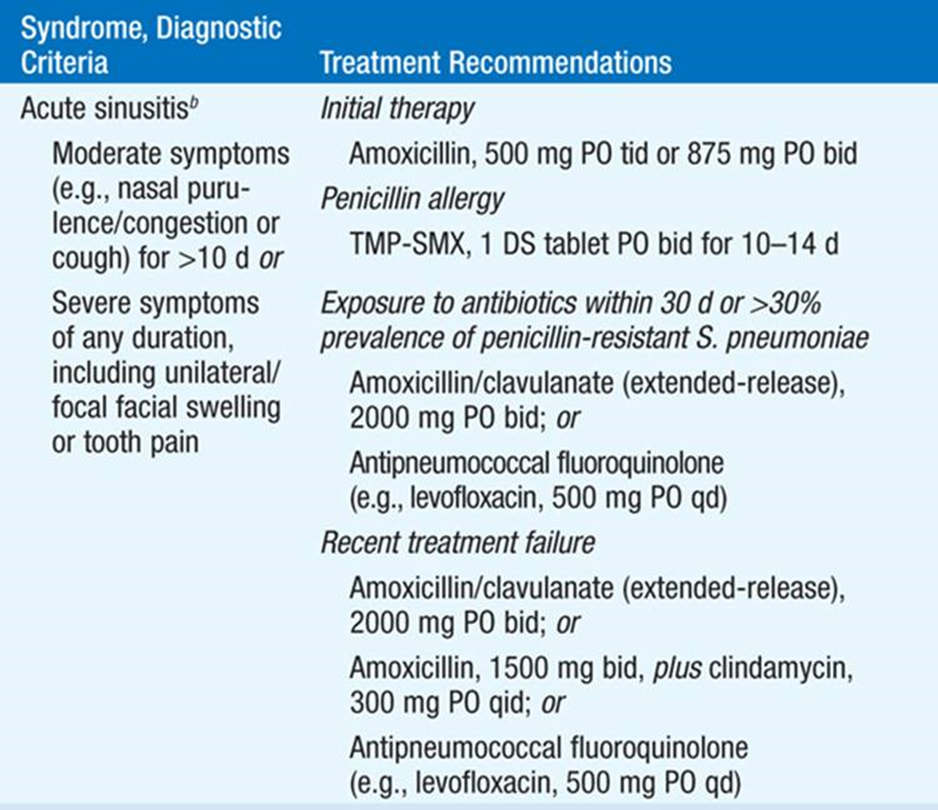
Sometimes, home remedies are not enough. You should call your doctor if:
- Your symptoms last for more than 10 days without improving.
- You have a high fever (above 102°F or 39°C).
- The facial pain is severe.
- Your symptoms improve and then suddenly get worse.
A doctor can determine if your sinusitis is bacterial and, if so, may prescribe antibiotics. In very rare, chronic cases, a minor surgery might be needed to clear blocked sinuses.
In conclusion, sinusitis is a painful and frustrating condition. However, by understanding your symptoms and using these simple secrets, you can take control and find relief.