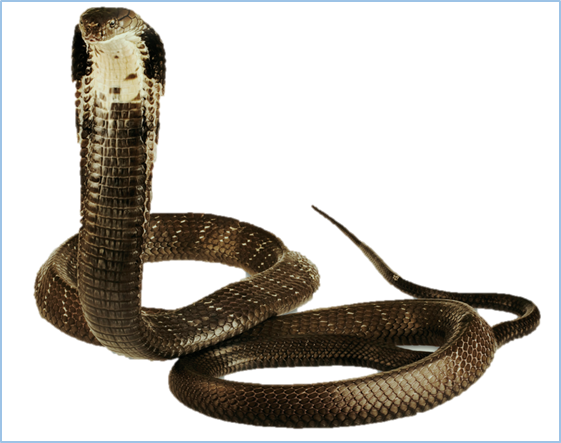
King cobra
Venomous snakes have long commanded both awe and apprehension. Their specialized venom-delivery systems, evolutionary adaptations, and ecological importance make them some of the most sophisticated predators in the animal kingdom. Beyond their notoriety, these reptiles contribute significantly to biodiversity, population control, and even advancements in modern pharmacology.
What Makes a Snake “Venomous”?
A venomous snake possesses modified salivary glands that produce biologically active toxins—collectively known as venom—which are injected through hollow or grooved fangs. Venom is primarily used for prey immobilization, digestion, and defense.
Scientifically, venom can be categorized into several primary types:
Hemotoxic Venom
- Disrupts blood clotting and damages tissues
- Common in Viperidae, such as rattlesnakes, adders, and bush vipers
Neurotoxic Venom
- Interferes with nerve signaling, leading to paralysis
- Characteristic of most Elapidae, including cobras, mambas, and sea snakes
Cytotoxic Venom
- Causes local cell destruction and severe necrosis
- Found in certain spitting cobras and vipers
Myotoxic Venom
- Breaks down muscle tissues
- Common in some Australian elapids and sea snakes
Many species possess complex venom cocktails, combining several toxin types to maximize efficiency.
Notable Venomous Snakes Around the World
1. King Cobra (Ophiophagus hannah) (Elapidae family)
The world’s longest venomous snake, equipped with potent neurotoxins and remarkable intelligence. Prefers a diet of other snakes and exhibits unique parental care.
Identification features:
- Head covered with large scales and 3rd labial touches the eye with spectacle shape hood present. However king cobra doesn’t have spectacle mark.
- Maxillary bone contains poisonous fang with small teeth (Viper doesn’t).
- Oviparous snakes.
- Can be multiple colour like yellow/green/brown/black with white cross bands.
- Length up to 4.5 metres.
2. Inland Taipan (Oxyuranus microlepidotus)
Renowned for producing the most toxic venom of any terrestrial snake. Despite this, it is elusive, reclusive, and rarely implicated in human envenomation. One of big 5 in Australia.
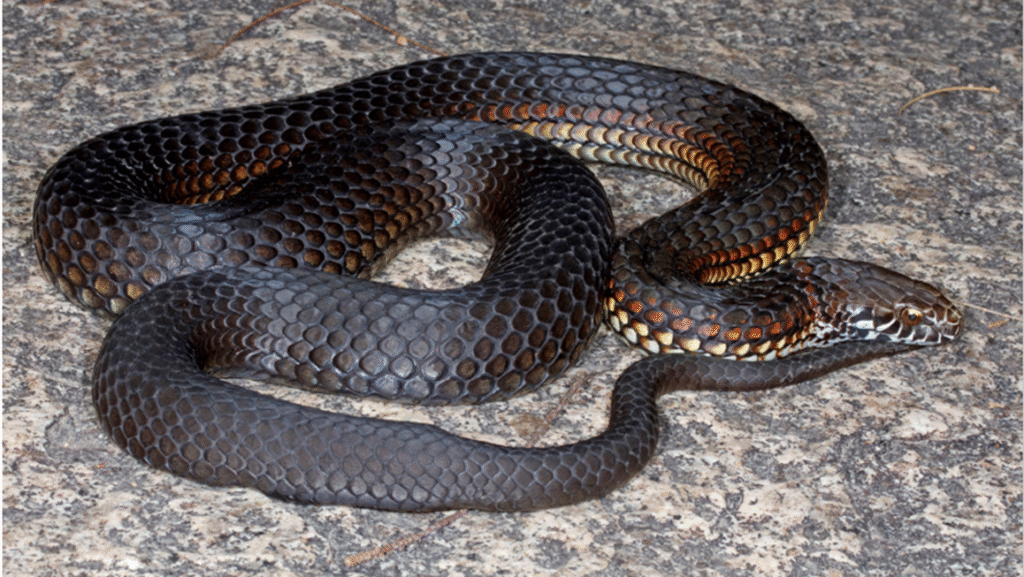
Inland Taipan
3. Russell’s Viper (Daboia russelii)
One of Asia’s most medically significant species. Possesses powerful hemotoxic venom and is responsible for numerous snakebite incidents due to its proximity to farmland.
Identification feature:
- Large head covered with small scales.
- Teeth absent or rudimentary.
- On back 3 rows of diamond shape black/brown spots.
- Length up to 1.5 metres.
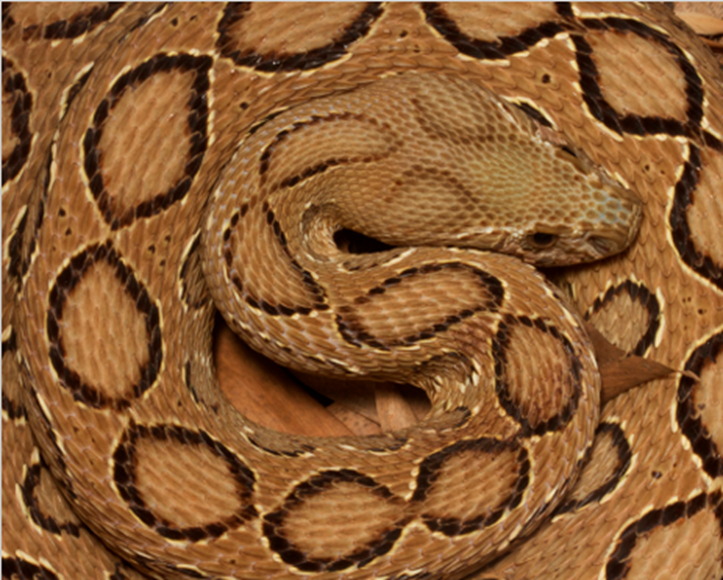
Russell’s viper
4. Black Mamba (Dendroaspis polylepis)
Highly agile and capable of rapid strikes. Its neurotoxic venom can cause respiratory failure without prompt medical intervention.
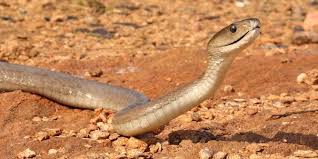
Black mamba
5. Eastern Brown Snake (Pseudonaja textilis)
Among the world’s most dangerous snakes due to its fast-acting venom and widespread presence across Australian oceans. Known for myotoxic and coagulopathic venom effects.
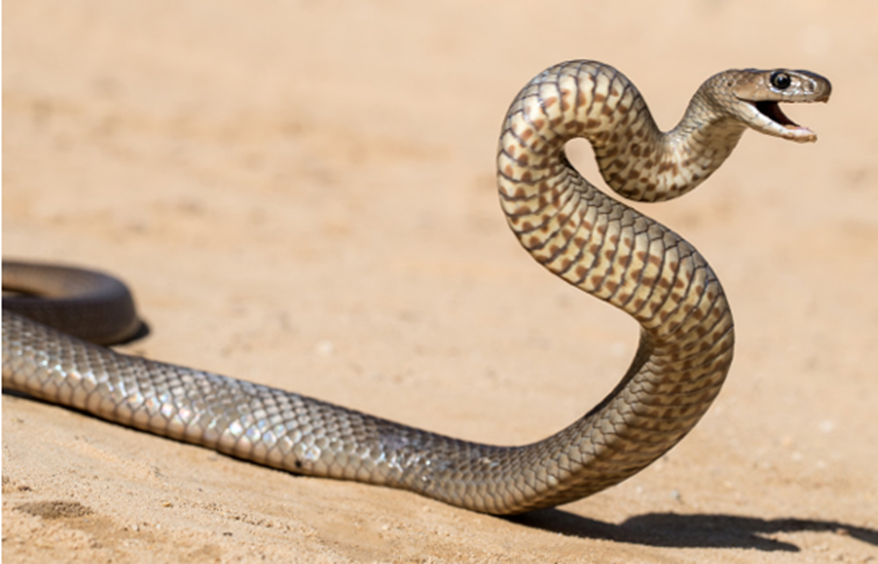
Eastern brown snake
6. Gaboon Viper (Bitis gabonica)
Possesses the longest fangs of any venomous snake—up to 2 inches—and delivers massive venom yields. Its camouflage is among the best in the animal kingdom.
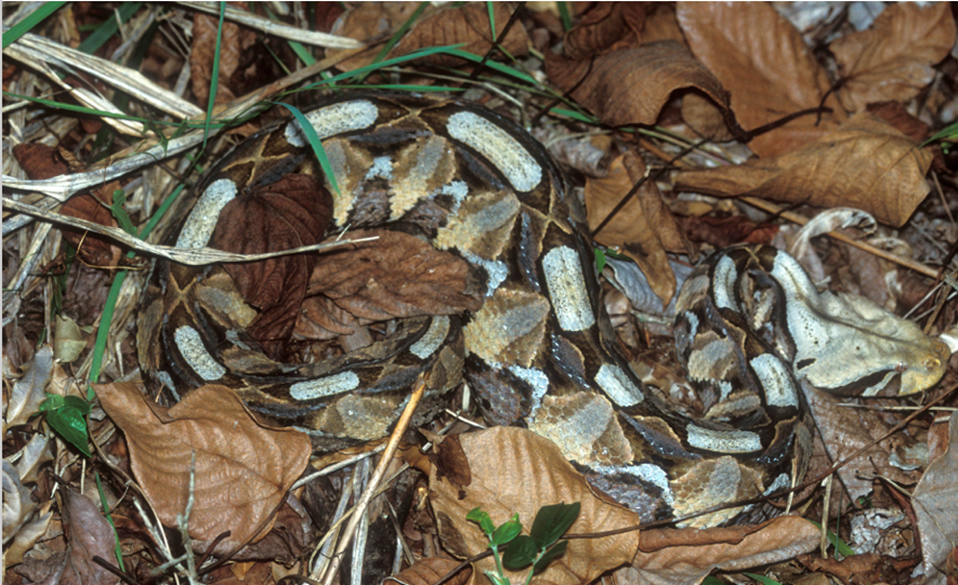
Camouflage of Gaboon viper
7. Fer-de-Lance (Bothrops asper)
A highly feared Central and South American pit viper with potent hemotoxic venom. Responsible for a high incidence of bites in tropical regions.
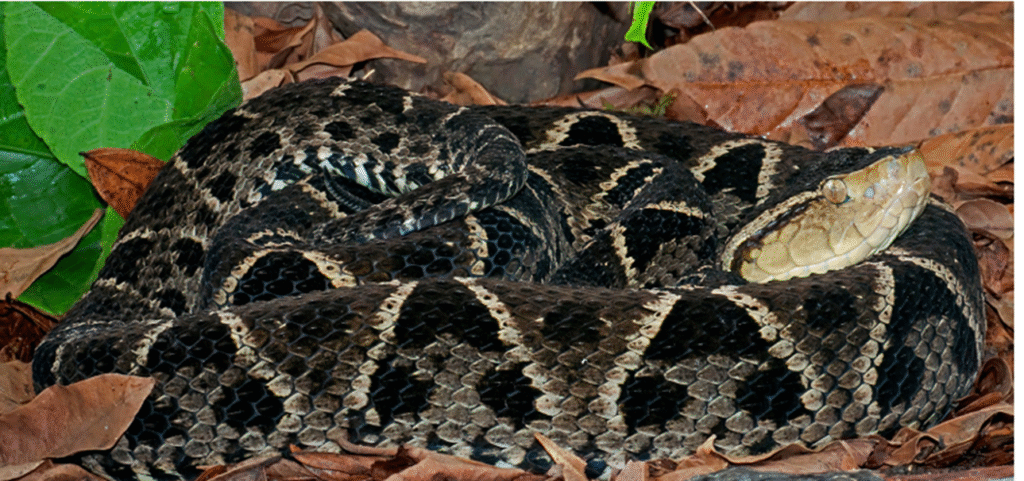
Bothrops asper
8. Saw-Scaled Viper (Echis carinatus)
Small but extremely dangerous. Considered one of the deadliest snakes in terms of global fatality numbers due to its aggressive nature and potent coagulopathic venom.
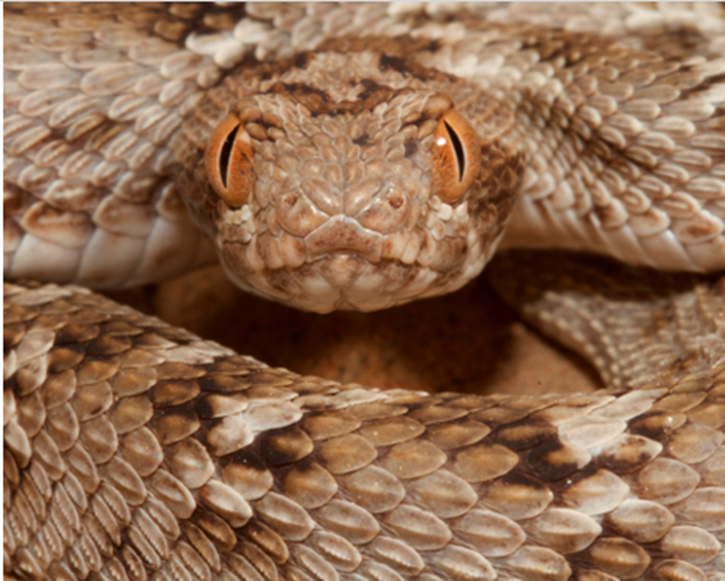
Saw-Scaled Viper
9. Blue Krait (Bungarus candidus)
A nocturnal elapid with powerful neurotoxic venom. Documented to cause delayed, severe respiratory failure if left untreated.
Identification features:
- Head covered with Large shields.
- Belly triangular in cross section.
- Single/double white bands with central row of hexagonal scales.
- Length up to 2 metres.
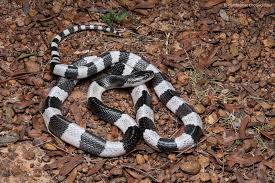
Krait
10. Olive Sea Snake (Aipysurus laevis)
A marine species with specialized adaptations for aquatic life. Its venom contains potent neurotoxins and myotoxins, useful for paralyzing fish.
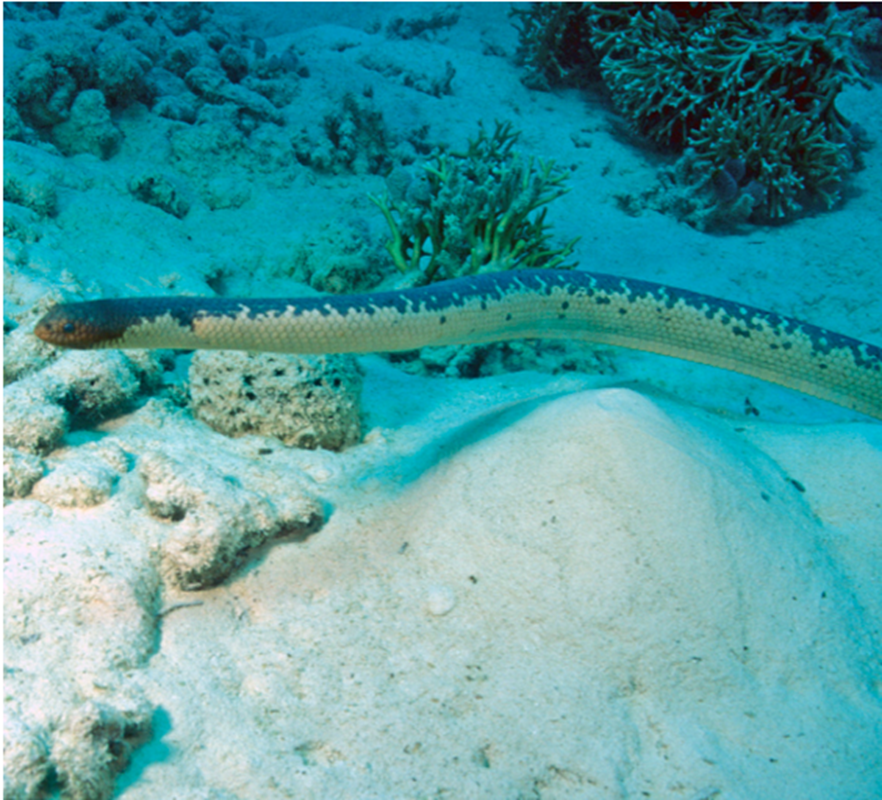
Olive Sea Snake
Ecological and Scientific Importance
Venomous snakes fulfil indispensable roles in maintaining ecological balance:
Biodiversity and Predator–Prey Relationships
- Regulate populations of rodents, amphibians, and other small animals
- Prevent overgrazing and crop destruction
- Help stabilize food webs across diverse ecosystems
Medical and Pharmaceutical Contributions
Snake venoms have led to breakthroughs including:
- ACE inhibitors for hypertension (derived from Brazilian viper venom)
- Anticoagulants used in heart attack and stroke treatment
- Potential cancer therapies involving venom peptides
- Analgesics inspired by neurotoxic venom components
Ongoing research continues to uncover therapeutic potential in venom compounds.
Best Practices for Safety Around Venomous Snakes
While venomous snakes rarely seek confrontation, accidental encounters can occur. Employing caution reduces risk significantly:
- Remain vigilant in high-density snake habitats such as tall grass, rocky crevices, and forested trails
- Wear protective footwear and long garments when outdoors in snake-prone regions
- Avoid lifting logs, rocks, or debris without visibility
- Never attempt to capture, kill, or handle a snake
- Maintain a respectful distance; most bites result from perceived threats
In the event of a bite, seek immediate medical attention. Modern antivenoms are highly effective when administered promptly.
A Misunderstood but Essential Group
Despite their fearsome image, venomous snakes are vital to environmental health and scientific innovation. Understanding their biological significance fosters respect rather than fear, promoting coexistence and conservation efforts. As apex and mesopredators, they are irreplaceable components of the natural world—dynamic, efficient, and evolutionarily refined.