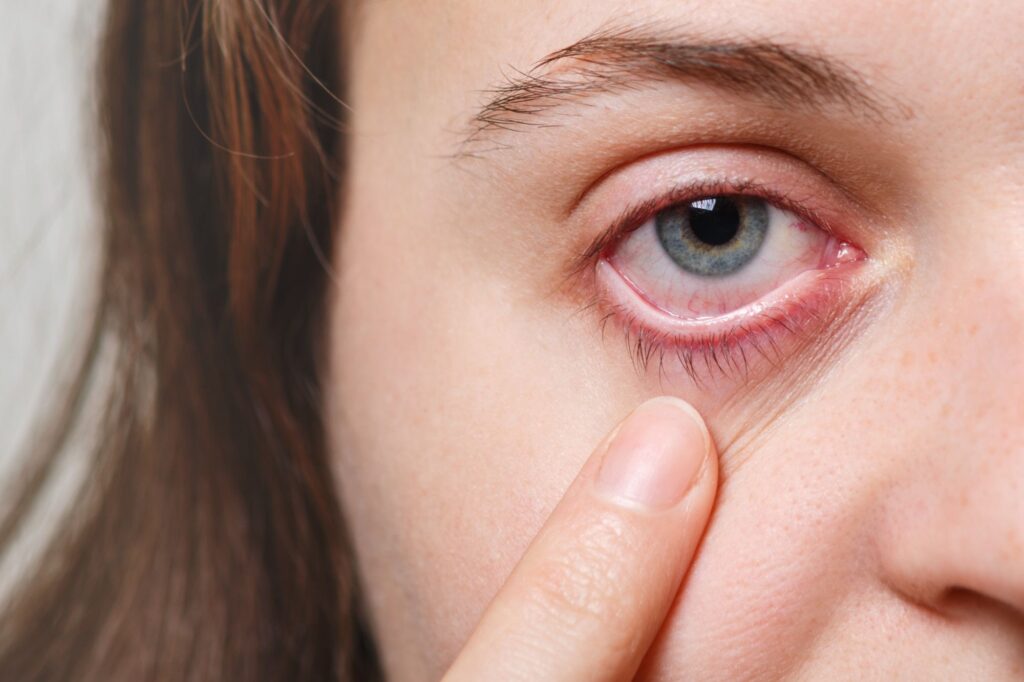
Waking up with red, itchy, and goopy eyes is an unpleasant experience that many of us have faced. This common condition is conjunctivitis (pink eye), an inflammation of the transparent membrane, called the conjunctiva, that lines your eyelid and eyeball. When this membrane gets irritated, the blood vessels swell and become more visible, giving the eye its classic pink or red look.
While it’s often a mild issue, conjunctivitis can be very uncomfortable and, in some cases, extremely contagious. Therefore, knowing what type you have is crucial for getting fast relief and preventing its spread. This guide breaks down everything you need to know.
The Different Types of Conjunctivitis (Pink Eye)
Not all pink eye is the same. The cause determines the symptoms and, most importantly, the treatment.
1. Viral Conjunctivitis
This is the most common—and most contagious—type of pink eye.
- Cause: Usually caused by the same viruses responsible for the common cold, like adenovirus.
- Symptoms: A watery, clear discharge is typical. The eyes will be red, feel gritty, and may burn. It often starts in one eye and spreads to the other and may accompany cold-like symptoms.
- Treatment: Viral conjunctivitis does not respond to antibiotics. It typically clears up on its own within one to two weeks. In the meantime, you can use cold compresses and over-the-counter artificial tears to soothe the irritation.
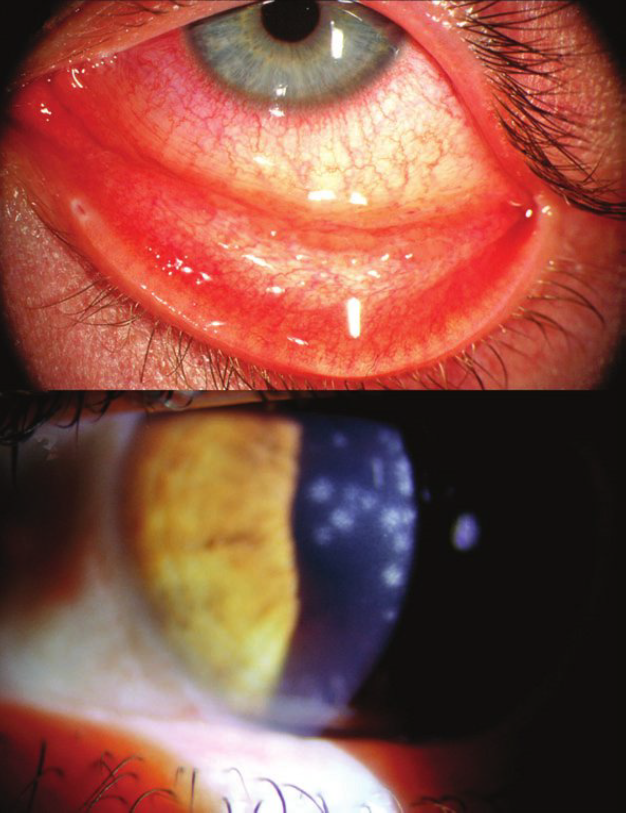
2. Bacterial Conjunctivitis
This type is also highly contagious and is caused by a bacterial infection.
- Cause: Bacteria such as Staphylococcus or Streptococcus.
- Symptoms: The key sign is a thick, yellow or green discharge that makes the eyelids feel sticky or crusted shut, especially after waking up.
- Treatment: A doctor will usually prescribe antibiotic eye drops or ointment to clear the infection. With treatment, symptoms often improve within a few days.
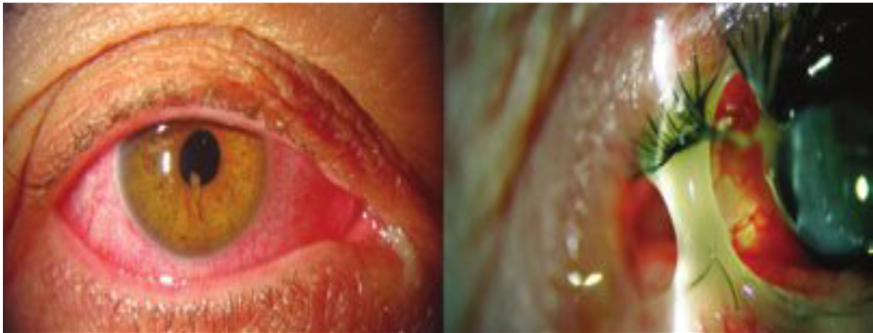
3. Allergic Conjunctivitis
This type is a reaction to allergens in the environment and is not contagious.
- Cause: Common allergens like pollen, dust mites, pet dander, or mold spores.
- Symptoms: Intense itching is the primary symptom. The eyes will also be red and watery, and you may have other allergy symptoms like sneezing or a runny nose.
- Treatment: The best approach is to avoid the allergen. Over-the-counter antihistamine eye drops and pills can provide significant relief.
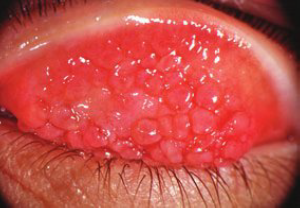
How to Stop the Spread: Crucial Prevention Tips
If you or someone in your household has a contagious form of pink eye, strict hygiene is essential.
- Wash your hands constantly with soap and warm water.
- Avoid touching or rubbing your eyes at all costs.
- Do not share personal items like towels, pillowcases, eye drops, or makeup.
- Clean and disinfect frequently touched surfaces like doorknobs and phones.
- Stay home from school or work until you are no longer contagious, as advised by your doctor.
For more detailed prevention advice, you can consult resources from the [External Link] Centers for Disease Control and Prevention (CDC).
When Should You See a Doctor?
While many cases are mild, you should seek medical attention if you experience:
- Intense eye pain.
- Blurred vision or severe sensitivity to light that doesn’t improve when you wipe away discharge.
- Symptoms that get worse or don’t improve after a few days.
- A large amount of yellow or green discharge.
- If you have a weakened immune system from another health condition.
Properly diagnosing your common eye condition is the first step toward feeling better. By understanding the type of conjunctivitis you have and following these treatment and prevention steps, you can get relief quickly and protect those around you.