When most people think of insects, the first things that come to mind are pests, bites, and annoying buzzing sounds. But in the world of medicine and public health, insects take on a much more serious role. Medical entomology, a specialized branch of entomology (the study of insects), focuses on insects and arthropods that impact human health — and its importance can’t be overstated.
You can apply knowledge of this blog to your daily life and get benefit when tours to the world by recognizing dangers.
What Is Medical Entomology?
Medical entomology is the study of insects and arthropods that affect human health either directly or indirectly. These creatures may act as:
- Vectors of disease (e.g., mosquitoes spreading malaria)
- Parasites (e.g., lice or mites)
- Allergens or venom producers (e.g., bees, wasps)
- Causes of psychological or social issues (e.g., delusional parasitosis)
Medical entomologists work at the intersection of entomology, medicine, epidemiology, and public health to understand, prevent, and control diseases linked to insects.
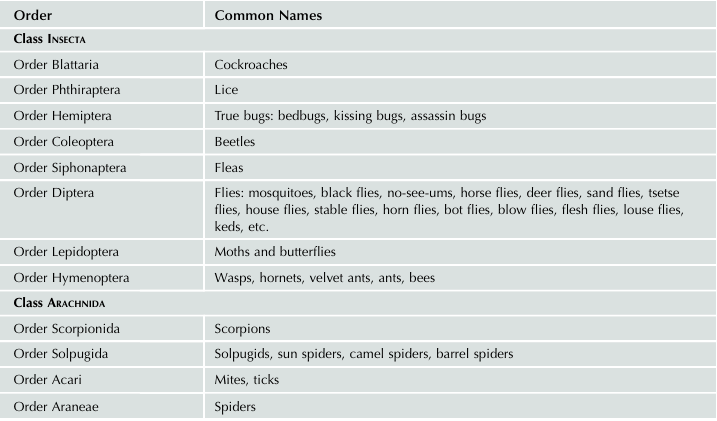
Insects that are important
Vectors along with diseases:
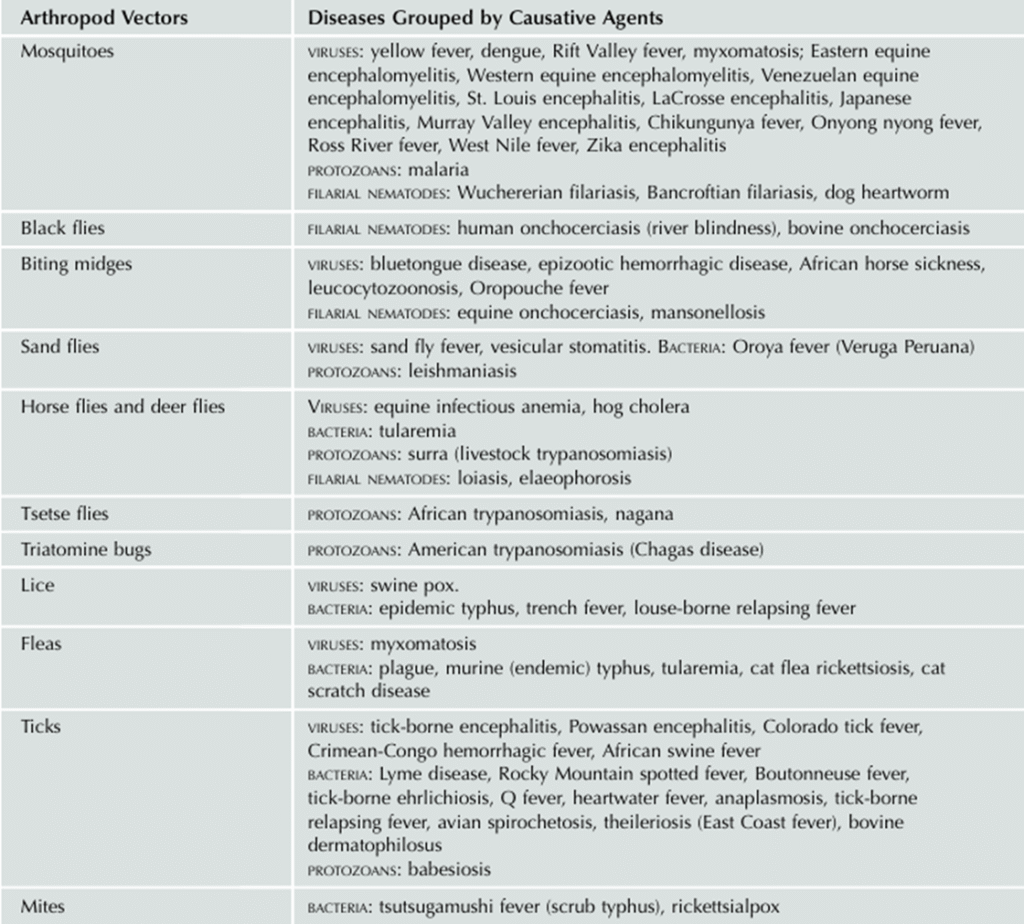
Insects as Disease Vectors
The most significant contribution of medical entomology is in understanding how certain insects transmit infectious diseases. Here are some examples of major insect vectors:
1. Mosquitoes – The Deadliest Animals on Earth
Mosquitoes (particularly species of Anopheles, Aedes, and Culex) are notorious for spreading:
- Malaria
- Dengue Fever
- Zika Virus
- Chikungunya
- Yellow Fever
- West Nile Virus
Mosquito-borne diseases account for hundreds of thousands of deaths every year, especially in tropical and subtropical regions.
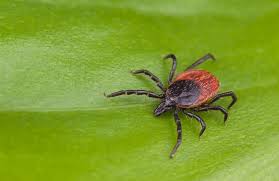
2. Ticks – Small but Dangerous
Ticks are responsible for transmitting:
- Lyme disease
- Rocky Mountain spotted fever
- Ehrlichiosis
- Tick-borne encephalitis
These diseases can cause serious complications if not diagnosed and treated early.
3. Fleas and Lice
Fleas played a major role in the transmission of plague (Yersinia pestis) during historic pandemics. Lice are known vectors of typhus and trench fever.
4. Sandflies and Blackflies
- Sandflies (genus Phlebotomus) transmit Leishmaniasis.
- Blackflies spread Onchocerciasis (river blindness), particularly in Africa.
The Role of Medical Entomology in Public Health
Medical entomologists contribute to society in many ways:
Surveillance & Monitoring
Tracking insect populations and disease outbreaks helps predict and prevent epidemics.
Vector Control
Strategies include:
- Insecticide spraying
- Larval habitat destruction
- Biological control (e.g., using bacteria like Wolbachia to reduce mosquito reproduction)
Health Education
Public awareness campaigns on how to avoid bites, use repellents, and reduce standing water are crucial for disease prevention.
Research and Innovation
Medical entomologists work on vaccines, insect behavior, resistance to insecticides, and genetic modification (like sterile male mosquitoes) to reduce vector populations.
Modern Challenges in Medical Entomology
- Insecticide resistance is growing.
- Climate change is expanding the habitats of disease-carrying insects.
- Urbanization and deforestation bring people into closer contact with vector species.
- Global travel and trade accelerate the spread of insect-borne diseases.
These challenges make medical entomology more relevant than ever in our globalized world.
Why It Matters
The COVID-19 pandemic reminded the world how vulnerable we are to infectious diseases. But while viruses like SARS-CoV-2 are airborne, many others are insect-borne — and just as dangerous. Medical entomology is critical for early detection, prevention, and response to outbreaks caused by these tiny but deadly creatures.
In short, when it comes to global health, bugs aren’t just a nuisance — they’re a major priority.
Final Thoughts
From the malaria-carrying mosquito in Africa to the Lyme-carrying tick in North America, insects play an outsized role in shaping human health. Medical entomology saves lives, not by treating patients, but by stopping diseases before they start. It’s a fascinating field where science, ecology, and medicine meet — and one that continues to be essential in our fight against global health threats.