Thallium is a soft, bluish-white metal that most people never think about—yet it has a notorious history in toxicology. Sometimes called “the poisoner’s poison,” thallium is odorless, tasteless, and incredibly toxic even in tiny amounts. It dissolves easily in water, leaves no immediate tell-tale taste, and was once used in rat poisons and insecticides before being banned for consumer use in many countries.
Today, thallium compounds still appear in certain industrial, electronic, and laboratory processes, which means accidental exposure—while rare—can still happen. Here’s what you need to know about this unusual and dangerous toxin.
What Is Thallium?
Thallium is a heavy metal found naturally in the earth’s crust and used in:
- Electronics and semiconductors
- Optical lenses
- Thermometers and scientific instruments
- Certain types of research laboratories
- Some industrial manufacturing processes
Although not widely used in daily consumer products, improper handling or industrial accidents can expose workers to the metal.
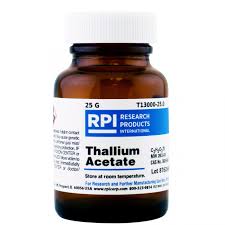
Toxic compounds: Thallium acetate (colourless and tasteless powder) and Thallium sulphate (rat poison)
How Thallium Poisoning Happens
Thallium can enter the body through:
- Ingestion (the most common route)
- Inhalation of contaminated dust or fumes
- Absorption through the skin
Because it has no smell or taste, a person may not realize they’ve been exposed. Historically, this made it attractive for intentional poisoning, though strict regulations have reduced availability.
Signs and Symptoms of Thallium Poisoning
Fatal dose: 200mg to 1gm for adult and 40mg is sufficient to kill a child.
Thallium poisoning often unfolds in three phases, which can make early identification tricky.
1. Gastrointestinal Phase (Hours to Days After Exposure)
Symptoms often resemble common stomach illnesses:
- Nausea and vomiting
- Abdominal pain
- Diarrhea
- Fatigue
Because these are nonspecific, thallium poisoning is often missed early on.
2. Neurological Phase
As thallium accumulates in nerves and tissues, more serious effects develop:
- Tingling or burning sensations in hands and feet
- Weakness or difficulty walking
- Severe pain in the legs (a hallmark sign)
- Confusion or mood changes
3. Hair Loss (A Classic Clue)
One of the most recognizable signs is dramatic hair loss, typically occurring 2–3 weeks after exposure. The hair often falls out in clumps, a condition called alopecia.
How Thallium Poisoning Is Diagnosed
Because symptoms resemble many other conditions, doctors often rely on:
- Blood tests and especially urine tests, which can detect elevated thallium levels
- Neurological exams
- Hair analysis (thallium accumulates in hair shafts) black pigmentation deposits in 3 to 4 days after exposure at hair roots.
Early detection is critical—delays make treatment much more difficult.
Treatment Options
There is no “home remedy” for thallium poisoning, and it requires urgent medical intervention. Treatment may include:
- Prussian blue, a medical-grade compound (not the artist pigment) that binds thallium in the gut and helps the body remove it give 250mg/kg/day in 2-4 divided dose orally.
- Supportive care for nerve damage, pain, and dehydration
- In severe cases, hemodialysis to help speed removal of thallium
Even with treatment, recovery can take weeks or months, and some neurological symptoms may persist.
Long-Term Effects
Depending on the dose and speed of treatment, survivors may experience:
- Persistent nerve pain
- Cognitive or memory issues
- Muscle weakness
- Vision problems
Early intervention improves outcomes significantly.
Preventing Thallium Exposure
For most people, the risk is extremely low. However, industries that use thallium take precautions such as:
- Protective clothing and gloves
- Adequate ventilation
- Proper disposal protocols
- Regular environmental monitoring
Public exposure today is rare thanks to strict regulations.