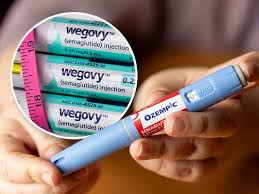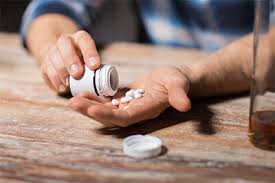
In today’s fast-paced world, medication has become a cornerstone of modern life. From pain relief to mental health management, pills promise comfort and control. But there’s a darker side that too often goes unnoticed — overdosing, a growing global health crisis claiming thousands of lives every year.
What Is an Overdose?
An overdose occurs when a person takes more of a substance than the body can safely process. This can happen accidentally — for example, by taking an extra dose of painkillers — or intentionally, in cases of self-harm or substance abuse.
An overdose isn’t limited to illegal drugs. Everyday substances like acetaminophen (paracetamol), alcohol, or prescription medications can be just as dangerous in high doses.
The Numbers Tell a Grim Story
According to the World Health Organization (WHO), millions of overdoses occur annually, leading to hundreds of thousands of deaths.
In high-income countries like the U.S. and Canada, opioid overdoses — from drugs such as fentanyl and oxycodone — have become a public health emergency.
Meanwhile, in developing countries, pesticide poisoning still causes a large share of intentional overdose deaths.
Common Substances Involved in Overdoses
- Medicinal poisons:
- Paracetamol(acetaminophen): It is common analgesic which is taken by people commonly in overdose in painful situations.
When it taken in overdose it manifests by symptoms of abdominal and hepatic RUQ pain, bleeding, tremors and hepatic encephalopathy due to liver failure.
Symptoms appears within 24 – 72 hours of ingestion.
In adults 10 – 15gm (20 – 30 tablets) can cause toxicity if taken all together.
Treatment is antidote N-acetyl cysteine(150mg/kg) which is given IV drip for 15 min. with 5% glucose in 200mL followed by 50mg/kg in 5% glucose in 500mL in 4,8 and 8 hours in 20 hrs.
- Aspirin: Antipyretic and analgesic drug which is over the counter drug so easily available.
This drug should not give in neonates causes reye syndrome and hepatic encephalopathy.
Symptoms: Altered mental status, sweating, pulmonary oedema, Increased vital signs (HTN, tachycardia, tachypnea), ringing in ear, irritable, nausea and vomiting.
- Opioid: Fentanyl, heroin, oxycodone
Effects like slow breathing, unconscious, death.
- Sedatives: Benzodiazepines and barbiturates
Effects like drowsiness, confusion, respiratory depression.
- Stimulants: Cocaine, methamphetamine
Effects heart attack, seizure, hypothermia.
- Alcohol: Ethanol, methanol
Effects like vomiting, aspiration, hypothermia, cardiac arrest.
Why Do Overdoses Happen?
- Accidental misuse – confusing doses or combining substances
- Dependence and addiction – escalating use to chase the same effect
- Mental health struggles – using substances to escape emotional pain
- Lack of awareness – underestimating the risk of “common” medicines
Recognizing the Signs of an Overdose
Symptoms can vary, but some warning signs include:
- Slow or irregular breathing
- Unresponsiveness or unconsciousness
- Blue lips or fingertips
- Extreme drowsiness or confusion
- Seizures or vomiting
If you suspect someone has overdosed, call emergency services immediately. Time is critical — even minutes can make the difference between life and death.
What To Do in an Emergency
- Do not leave the person alone
- If they’re not breathing, start CPR if trained
- Administer naloxone (Narcan) if opioids are suspected
- Keep them on their side (recovery position) to prevent choking
Prevention: Turning Awareness Into Action
- Store medicines safely and keep them out of reach of children
- Follow dosage instructions carefully
- Never mix substances unless advised by a doctor
- Dispose of unused medications properly
- Seek help for addiction or mental health issues early
Final Thoughts
Overdosing is not just a statistic — it’s a deeply human story of pain, misunderstanding, and sometimes, desperation. The good news? It’s preventable.
With awareness, compassion, and better education around medication use and mental health, we can turn the tide on this silent epidemic.