What is Multiple Myeloma?
Multiple Myeloma is a cancer that affects plasma cells in the bone marrow. Normally, these cells produce antibodies to fight infections. In this condition, they grow uncontrollably, crowding healthy cells and damaging organs.
It is a malignant proliferation of plasma cells from a single clone. The abnormal cells and the proteins they produce can lead to serious health problems.
Why is it Dangerous?
Multiple Myeloma can cause:
- Anemia — due to fewer healthy red blood cells.
- Bone damage — leading to fractures and pain.
- Kidney problems — from abnormal proteins (M protein).
- Weakened immunity — causing frequent infections.
Common Symptoms — Remember “CRAB”:
- C — Calcium rise: High calcium can cause weakness, confusion, or depression.
- R — Renal failure: Kidney damage from light chain proteins is common but may improve with treatment.
- A — Anemia: Often caused by bone marrow replacement and reduced red cell production.
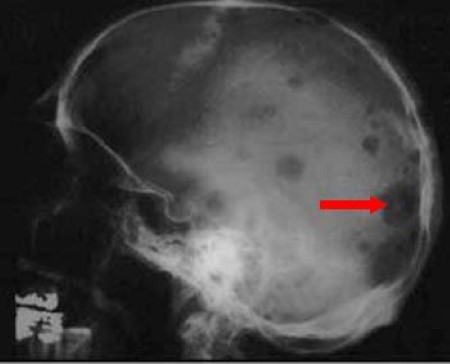
- B — Bone pain/lesions: Seen in 70% of patients, often in the back or ribs.
Additionally, frequent bacterial infections are common, affecting the lungs and urinary tract. In some cases, nerve damage may occur.
Who Is at Risk?
Multiple Myeloma is more common in:
- Adults over 60 years old
- Men more than women
- African Americans (twice the incidence compared to whites)
- People exposed to farming chemicals, petroleum products, or wood dust
In India, it is rare but increasing due to better diagnosis.
Epidemiology :
Myeloma has been seen more commonly than expected among farmers, wood workers, leather workers, and those exposed to petroleum products.
In 2021 in the United States, 34,920 new cases of myeloma were estimated to be diagnosed, and 12,410 people were estimated to die from the disease.
- Blacks have nearly twice the incidence of whites.
- The higher incidence in more developed countries may result from the combination of a longer life expectancy and more frequent medical surveillance.
- Occurs in older adults (60+ years), it is uncommon under age 40, more common in males.
- Rare in India but increasing due to better detection
- Not notifiable, so true prevalence underreported
- Indian estimate: 1.2–1.8 cases per 100,000 per year
Diagnosis
Doctors may use:
- Blood tests — to detect M-protein spikes.
- Urine tests — to find Bence Jones proteins.
- Bone marrow biopsy — showing over 10% plasma cells.
- X-rays or MRI — detecting bone lesions.
For more details on the diagnostic process, visit American Cancer Society – Multiple Myeloma.
Treatment Options
- Chemotherapy — e.g., bortezomib, lenalidomide.
- Steroids — like dexamethasone, often combined with other drugs.
- Autologous stem cell transplant — for eligible patients.
- Bisphosphonates — to protect bones and reduce complications.
- Supportive care — dialysis for kidney failure, antibiotics for infections.
Read more at Mayo Clinic – Multiple Myeloma Treatment.
Living with Multiple Myeloma
Patients should:
- Stay hydrated
- Watch for signs like fatigue, persistent pain, or frequent infections
- Follow up regularly with their doctor
- Maintain a balanced diet and gentle exercise routine
Multiple Myeloma is serious but treatable. Early detection, timely therapy, and healthy lifestyle choices can improve both survival and quality of life. Awareness and screening are crucial, especially in high-risk groups.