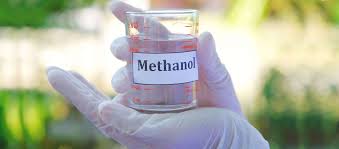
Methanol poisoning is one of the most dangerous forms of toxic alcohol exposure. Unlike ethanol—the type of alcohol found in beverages—methanol is a poisonous industrial chemical used in products like antifreeze, windshield washer fluid, industrial solvents, and sometimes illegal or adulterated alcoholic drinks.
What makes methanol particularly frightening is that its early symptoms can be mild or deceptive, while severe complications may appear hours later.
What Is Methanol and How Does Poisoning Occur?
Methanol (also known as “wood alcohol”) is a clear, colorless liquid. People may ingest it accidentally, intentionally, or unknowingly when consuming illicit or contaminated alcohol.
Common sources include:
- Adulterated or counterfeit alcoholic beverages
- Industrial solvents
- Fuel for stoves
- Windshield washer fluid
- Laboratory chemicals
Even small amounts can be toxic.
Why Methanol Is So Dangerous
Methanol itself is not highly toxic—but your body converts it into formic acid, which is extremely harmful.
This toxic metabolite causes:
- Metabolic acidosis (life-threatening blood acid buildup)
- Optic nerve damage → vision loss
- Multi-organ failure
Without proper treatment, methanol poisoning can be fatal.
Symptoms: What to Watch For
Symptoms may appear 12–24 hours after ingestion, especially if ethanol was also consumed (because ethanol delays methanol metabolism).
Early Symptoms
- Headache
- Nausea, vomiting
- Dizziness
- Abdominal pain
- Feeling intoxicated
Progressive Symptoms
- Rapid breathing or difficulty breathing
- Blurred vision (“snowfield” vision)
- Eye pain
- Dilated pupils or impaired reflexes
- Confusion or drowsiness
Severe, Late Symptoms
- Vision loss → blindness
- Seizures
- Coma
- Organ failure
Any suspicion of methanol poisoning should be treated as a medical emergency.
First Aid: What to Do Immediately
- Seek emergency medical help immediately. Time is critical.
- Do NOT induce vomiting.
- Keep the person awake and breathing.
- If safe, bring the suspected substance/container to the hospital for identification.
- Do not give food or drink, unless advised by professionals.
Prompt medical treatment dramatically improves survival.
How Doctors Manage Methanol Poisoning
In a hospital setting, treatment includes:
1. Antidotes
Two medicines can block methanol’s conversion into toxic metabolites:
- Fomepizole (preferred)
- Ethanol (used when fomepizole isn’t available)
These buy time for the body to clear methanol safely.
2. Correction of Acidosis
Intravenous bicarbonate may be used to correct life-threatening acid buildup.
3. Hemodialysis
Dialysis removes methanol and formic acid quickly and stabilizes the patient.
4. Supportive Care
- Fluids
- Oxygen
- Treatment of complications
- Vision assessments
Early, aggressive treatment can save life and eyesight.
Prevention: The Most Important Step
- Avoid drinking homemade, illicit, or unregulated alcohol.
- Buy alcohol only from reputable, sealed sources.
- Safely store industrial chemicals away from children and food/drink areas.
- Properly label all containers.
- Wear protective gear when handling methanol-containing products.
Public awareness is key: many poisoning outbreaks involve entire communities unknowingly consuming contaminated alcohol.
Methanol poisoning is severe, fast-progressing, and potentially fatal, but it is preventable. Understanding how it happens, recognizing early symptoms, and seeking urgent medical help can make the difference between recovery and irreversible harm.
Raising awareness can save lives—share this knowledge and stay safe.