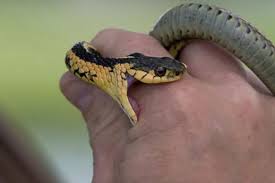
Snakebites remain a significant public health concern in many parts of the world, especially rural and agricultural regions. While most snakes are non-venomous, the bites that do involve venom can become life-threatening without timely and appropriate care. Understanding what to do—and equally important, what not to do—can make a critical difference.
Why Snakebite Management Matters
Each year, millions of people experience snakebites, with hundreds of thousands suffering serious complications. Quick, calm, and informed action can reduce the severity of symptoms, prevent complications, and save lives.
Immediate First Aid: What to Do
1. Stay Calm and Reassure the Victim
Panic increases heart rate, which can speed up venom absorption. Encourage slow, deep breathing.
2. Move the Person Away From the Snake
Ensure safety first. Do not attempt to catch or kill the snake. If safe, remember its color/shape for identification later.
3. Keep the Affected Limb Still
Use a splint or sling to immobilize the limb. Movement spreads venom more rapidly.
4. Remove Tight Items
Swelling is common. Gently remove rings, watches, or tight clothing from the affected area.
5. Clean (Don’t Cut!) the Wound
If possible, wash gently with clean water. Do not apply ice, heat, chemicals, or suction.
6. Apply a Pressure Immobilization Bandage
This technique is recommended primarily for neurotoxic snakebites (e.g., many Australian snakes). It involves wrapping the limb firmly—but not so tight that it cuts off circulation—and immobilizing it with a splint.
Note: This technique is not recommended for all regions or species. If unsure, prioritize limb immobilization and transport.
7. Transport to the Nearest Medical Facility Immediately
Antivenom is the only specific treatment for venomous snakebite. The faster the victim receives medical care, the better the outcome.
What Not to Do
- Do NOT apply a tourniquet. It can cause severe tissue damage.
- Do NOT cut the wound or try to suck out venom.
- Do NOT apply ice or electric shock.
- Do NOT give alcohol or caffeine.
These outdated methods often cause more harm than good.
Medical Management at Healthcare Facilities
Once at a hospital, professionals typically provide:
1. Assessment and Monitoring
- Checking vital signs
- Observing signs of bleeding, paralysis, or swelling
- Blood tests to assess clotting and organ function
2. Antivenom Administration
Antivenom is given when signs of envenomation are present. Medical teams monitor carefully for allergic reactions.
When signs of ecchymosis (viper bite) or paralysis (cobra or krait bite) appears ASV dose need to be administered.
ASV dose freeze dried antivenom serum dissolved in water (10 mL vial). About 80 – 100 mL serum should be diluted in 200 – 500 mL of isotonic saline and given slow IV.
The recommended initial dose of ASV is 8-10 vials administered slowly via IV in 1hr. Repeat dose in 6hr interval up to max. dose of 30 vials for vasculotoxic snake.
As for neurotoxic snakes repeat dose for 1-2 hr.
3. Supportive Treatments
- Oxygen if breathing is affected
- Intravenous fluids
- Pain control
- Wound care
- Treatment for complications like infection or organ dysfunction
4. Observation
Even after initial improvement, patients are often observed for several hours because symptoms can evolve.
Preventing Snakebites
- Wear boots and long pants in high-risk areas.
- Use a flashlight at night.
- Avoid putting hands into holes, piles of leaves, or rocks.
- Keep surroundings clean and free of rodents (which attract snakes).
- Never handle or tease snakes—even dead ones can reflexively bite.
Snakebites can be frightening, but with proper knowledge and calm action, the risk of serious complications can be reduced dramatically. The core principles are simple: stay calm, immobilize, and seek urgent medical care. Public education, better access to antivenom, and early treatment remain key to reducing deaths and long-term disabilities worldwide.