
What Is Fibermaxxing?
Fibermaxxing is a trending wellness practice that involves dramatically increasing your daily fiber intake using fiber-rich foods or supplements. It has gone viral on platforms like TikTok and Instagram, with users claiming impressive digestive improvements, reduced bloating, and sustainable weight loss. But what exactly does it involve?
At its core, fibermaxxing means consciously consuming more dietary fiber than the average recommended daily allowance (RDA), which is around 25g for women and 38g for men. The idea is to nourish your gut microbiome, regulate blood sugar, and promote satiety by focusing on fiber-packed meals.
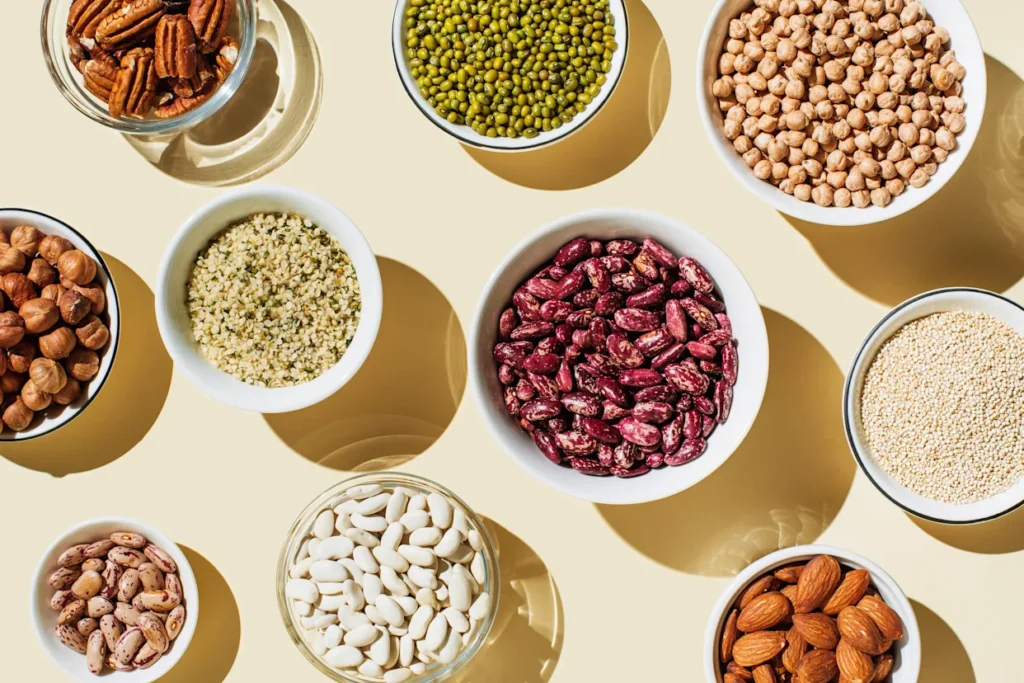
Benefits of Fibermaxxing
1. Improved Digestion
Fiber helps move waste efficiently through your digestive tract, reducing constipation and bloating.
2. Enhanced Weight Management
Fiber-rich foods are filling and help curb cravings. Fibermaxxing can naturally reduce your calorie intake.
3. Blood Sugar Control
Soluble fiber slows glucose absorption, leading to steadier energy levels and reduced sugar spikes.
4. Lower Cholesterol
Soluble fiber binds with cholesterol particles, helping flush them out of the body.
5. Gut Microbiome Boost
A fiber-rich diet feeds healthy gut bacteria, which support immunity, digestion, and even mood.
Risks & Side Effects of Fibermaxxing
Although fiber is essential, too much too quickly can backfire. Common side effects of improper fibermaxxing include:
- Bloating
- Gas
- Abdominal cramps
- Temporary changes in bowel movement frequency
To minimize side effects:
- Increase fiber intake gradually.
- Drink plenty of water.
- Choose a mix of soluble and insoluble fiber.
How to Start Fibermaxxing Safely
Want to begin fibermaxxing? Follow these safe and simple steps:
Step 1: Track Your Current Intake
Use an app like MyFitnessPal or Cronometer to monitor how much fiber you’re currently eating.
Step 2: Set a Realistic Goal
Increase your daily intake by 5g per week until you hit your goal (e.g., 35g).
Step 3: Hydrate Strategically
Drink at least 2-3 liters of water a day. Fiber absorbs water to work properly.
Step 4: Mix Food Sources
Combine both types of fiber:
- Soluble: oats, apples, citrus, chia seeds
- Insoluble: whole wheat, nuts, cauliflower, green beans
Step 5: Monitor Symptoms
Keep a digestive journal. If symptoms persist, consult a doctor or dietitian.
Fibermaxxing Meal Ideas & Sample Plan
Breakfast
- Overnight oats with chia, flax, blueberries, and almond milk (12g fiber)
Lunch
- Lentil salad with quinoa, kale, and roasted sweet potatoes (18g fiber)
Snack
- Roasted chickpeas + a pear (10g fiber)
Dinner
- Stir-fry with brown rice, broccoli, tofu, carrots, and edamame (14g fiber)
Total: ~54g fiber
Fibermaxxing FAQ: Common Questions Answered
Q1: Can fibermaxxing help with IBS or leaky gut?
Yes, when done slowly and with the right fiber types. Soluble fiber may be more suitable.
Q2: Is a fiber supplement okay?
Yes. Psyllium husk, inulin, and methylcellulose can help, but whole foods should remain your primary source.
Q3: Is it safe for diabetics?
Absolutely. Soluble fiber can help regulate blood sugar and insulin sensitivity.
Q4: Can I do fibermaxxing every day?
Yes, but consistency and moderation are key. Long-term high fiber diets are generally safe when balanced.


Pingback: AI Health Managers: How AI Is Revolutionizing Personal Health in 2025 - healnology.in