Copper is an essential mineral your body needs to stay healthy. It supports energy production, iron absorption, brain function, and even skin pigmentation. But like many good things, too much copper can become harmful. Although copper poisoning is uncommon, understanding the risks, symptoms, and safety measures can help you protect yourself and your family.
What Is Copper Poisoning?
Copper poisoning—also called copper toxicity—occurs when too much copper builds up in the body. It can happen suddenly (acute poisoning) or gradually over time (chronic poisoning).
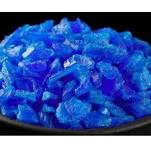
Toxic compounds are copper sulphate and copper subacetate these are bluish green compounds which commonly used for algicide, plant fungicide and molluscicide.
Acute copper poisoning
This happens when someone consumes or is exposed to a large amount of copper at once. It can occur from:
- Drinking water contaminated with high copper levels
- Accidental ingestion of copper salts or chemicals
- Industrial or occupational exposure
- (Very rarely) intentional ingestion
Chronic copper poisoning
This occurs slowly over months or years. The most common causes include:
- Genetic conditions such as Wilson disease, where the body can’t eliminate copper properly
- Long-term exposure to copper-contaminated water or food
- Excessive use of supplements containing copper
How Common Is Copper Poisoning?
Good news—copper poisoning is rare. Modern water systems, safety standards, and the body’s natural copper-regulation mechanisms make significant exposure uncommon. Most people get their daily copper from food, and the body eliminates excess amounts through the liver.
However, certain groups face higher risks:
- People with Wilson disease
- Infants (their copper regulation is still developing)
- Workers in copper-heavy industries
- Individuals using outdated plumbing or contaminated well water
Symptoms of Copper Poisoning
Symptoms vary depending on the amount and duration of exposure.
Fatal dose of copper sulfate is 10 – 20 gm and copper subacetate is 15gm.
Acute symptoms (minutes to hours after exposure)
- Nausea and vomiting (sometimes blue-green vomit due to copper salts)
- Abdominal pain
- Diarrhea
- Metallic taste
- Headache
- Extreme cases: jaundice, kidney failure, or shock, limb paralysis
- Contact dermatitis may occur due to exposure and can cause bluish green discoloration of skin.
Chronic symptoms (weeks to years)
- Fatigue
- Irritability
- Anxiety or mood changes
- Stomach pain
- Liver damage
- Neurological problems
- Yellowing of the skin (jaundice)
- Green or purple line on the gums
Where Copper Exposure Comes From
Most people encounter copper through:
- Tap water (from copper pipes, especially in older homes)
- Cookware (especially if it’s unlined copper)
- Supplements
- Swimming pools treated with copper-based algaecides
- Industrial environments
Copper exposure through food is generally safe because copper in foods is in a form the body can regulate more effectively.
When to See a Doctor
Seek medical attention if you experience sudden symptoms after:
- Drinking water with an unusual taste or color
- Exposure to copper-containing cleaning agents or chemicals
- Using damaged copper cookware
A doctor may run blood, urine, or liver tests to check copper levels.
As treatment:
- No need of emetics, it can cause again oesophageal corrosion.
- Gastric lavage with 1% potassium ferrocyanide.
- Egg white or milk it can form insoluble albuminate copper complex.
- D-penicillamine is chelating agent used for copper poisoning.
Prevention Tips
- Avoid cooking acidic foods (like tomatoes or vinegar) in unlined copper cookware.
- Test your drinking water if you have old plumbing, especially copper pipes or brass fittings.
- Follow guidelines when using copper-based products in pools or gardens.
- Avoid taking high-dose copper supplements unless recommended by a healthcare provider.