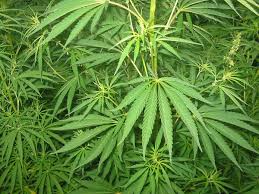
Cannabis—also known as marijuana, weed, or hemp flower—is one of the most widely discussed plants in the world today. With legalization, medical use, and recreational popularity rising globally, many people assume cannabis is completely safe.
But cannabis can also cause toxicity, especially when consumed in large amounts, used improperly, or accidentally ingested by children.
In this blog, we explore what cannabis is, how toxicity happens, symptoms to watch for, short-term and long-term health risks, and essential safety tips.
What is Cannabis?
Cannabis is a plant from the Cannabis sativa or Cannabis indica species. Its two major components are:
- THC (Tetrahydrocannabinol) – The psychoactive compound that creates a “high.”
- CBD (Cannabidiol) – Non-intoxicating, often used in wellness and therapeutic products.
Because different strains have different THC and CBD levels, the effects—and the potential toxicity—can vary greatly.
Is Cannabis Toxic? Understanding the Truth
Many search queries such as “Is cannabis toxic?”, “Can cannabis cause poisoning?”, or “What are the side effects of marijuana?” indicate that people want clear answers.
The truth is:
- Yes, cannabis can be toxic when consumed in high doses or misused.
- Children, older adults, and first-time users are more vulnerable.
- Edibles and synthetic cannabinoids increase toxicity risk.
This makes it important for users and parents to understand how cannabis toxicity occurs and what symptoms look like.
Causes of Cannabis Toxicity
Cannabis toxicity usually happens due to:
1. High THC Concentration
Modern cannabis products—especially oils, vapes, and edibles—often contain high levels of THC. This increases the chance of adverse effects.
2. Overconsumption of Edibles
Edibles take longer to show effects. Many people consume more thinking the product “isn’t working,” leading to toxic reactions.
3. Mixing Cannabis With Other Substances
Combining cannabis with alcohol, prescription medicines, or other drugs increases its toxic potential.
4. Synthetic Cannabinoids (“K2”, “Spice”)
These are chemically engineered compounds that can be severely toxic, causing heart problems, seizures, and even death.
5. Accidental Ingestion by Children
Edible gummies, chocolates, and brownies often resemble regular snacks, making them dangerous for kids.
Symptoms of Cannabis Toxicity
Common Symptoms
- Anxiety or panic attacks
- Confusion or disorientation
- Fast heartbeat (tachycardia)
- Nausea or vomiting
- Dizziness
- Impaired coordination
- Extreme drowsiness
Severe Symptoms
- Hallucinations
- Paranoia
- Seizures (rare but possible)
- Sudden drop in blood pressure
- Acute psychosis
- Loss of consciousness
If severe symptoms appear, immediate medical care is necessary.
Cannabis Toxicity in Children
Searches like “marijuana poisoning in toddlers” and “cannabis gummies toxicity” are increasing.
Symptoms in children include:
- Excessive sleepiness
- Difficulty walking
- Vomiting
- Trouble breathing
- Seizures (rare)
Any suspected child exposure requires urgent hospital evaluation.
Edible Cannabis Toxicity: Why Edibles Are Riskier
Edibles can cause stronger toxicity because:
- They have delayed onset (1–3 hours)
- It’s easy to eat too much unknowingly
- They often contain concentrated THC
- Kids mistake them for candy or snacks
This makes edibles a major cause of emergency cases worldwide.
Synthetic Cannabis Toxicity
Synthetic cannabinoids like K2, Spice, or “herbal highs” are NOT safe alternatives.
They can cause:
- Severe heart issues
- Acute kidney injury
- Violent behavior
- Stroke
- Life-threatening toxicity
These substances are far more dangerous than natural cannabis.
Long-Term Risk of Heavy Cannabis Use
Long-term heavy use may lead to:
- Memory and cognitive problems
- Increased anxiety or depression
- Dependency
- Chronic bronchitis (when smoked)
- Cannabis Hyperemesis Syndrome (repetitive vomiting)
- Sometime person becomes run amok and can cause public endangers like murders.
How Cannabis Toxicity Is Treated
Medical professionals usually provide:
- Hydration
- Monitoring of heart rate and oxygen
- Medications for nausea or agitation
- Observation (especially for children)
- Diazepam, 5-10 mg IV
- 100mL of 50% glucose or dextrose, 2mg naloxone and 100mg thiamine IV.
There is no home remedy and no specific antidote, so timely medical care is crucial.
Safety Tips to Prevent Cannabis Toxicity
- Keep all cannabis products out of children’s reach
- Avoid mixing cannabis with alcohol or sedatives
- Start low and go slow with new products (for adults in legal areas)
- Avoid synthetic cannabinoids completely
- Store edibles in clearly labeled, secure containers