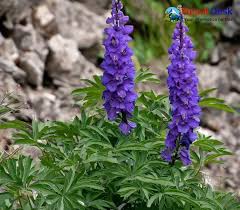
Aconite, often called wolfsbane, monkshood, or blue rocket, belongs to the genus Aconitum. Despite its beautiful appearance, it is one of the most toxic plants known. All parts of the plant contain powerful alkaloids, especially aconitine, which can cause rapid cardiovascular and neurological collapse.
Because of its potency, aconite poisoning holds significant importance in forensic toxicology, clinical toxicology, and medico-legal investigations.
Botanical Overview
- Scientific name: Aconitum species
- Family: Ranunculaceae
- Common names: Wolfsbane, Monkshood, Devil’s helmet
- Toxic parts: Root > stem > leaves > flowers (all parts are poisonous)
The plant often appears in mountainous and cold regions of Asia, Europe, and North America.
Toxic Principles
Aconite contains several diterpenoid alkaloids, the most important being:
1. Aconitine
- Primary toxic compound
- Highly potent neurotoxin and cardiotoxin
- Causes severe arrhythmias and neurological symptoms
2. Mesaconitine & Hypaconitine
- Structurally related alkaloids
- Contribute to overall toxicity
- Found particularly in roots
These alkaloids can be absorbed through the mouth, skin, and gastrointestinal tract, making the plant exceptionally dangerous.
Mechanism of Toxicity
Aconitine acts on:
✔ Voltage-gated sodium channels
→ Keeps them persistently open
→ Causes continuous depolarization of nerves and muscles
Effects
- Cardiac arrhythmias
- Ventricular fibrillation
- Numbness, tingling, and severe neurological symptoms
- Paralysis of respiratory muscles
This mechanism is why aconite poisoning progresses rapidly and can be fatal if untreated.
Clinical Features of Aconite Poisoning
Fatal dose: 1-2 gm root death within 2-6 hr
Early Symptoms (within minutes to 2 hours)
- Burning or tingling in the mouth
- Tingling of face, hands, and feet
- Nausea, vomiting, abdominal pain
- Sweating and dizziness
Neurological Symptoms
- Numbness spreading across the body
- Muscle weakness
- Confusion or agitation
Cardiac Symptoms (hallmark)
- Bradycardia or tachycardia
- Ventricular arrhythmias
- Hypotension
- Palpitations
- Potential cardiac arrest
Other Features
- Difficulty breathing
- Hypothermia
- Paralysis in severe cases
- Hippus: Pupil contract and dilate alternately
Cause of Death
- Refractory ventricular arrhythmias
- Respiratory paralysis
- Cardiovascular collapse
Forensic Toxicology: Key Points
1. Rapid Onset
Symptoms often appear quickly, making time of ingestion/ exposure easier to estimate.
2. Postmortem Findings
- Congested organs
- Pulmonary edema
- Froth in airways
- No highly specific autopsy marker (diagnosis relies on history + toxicology)
3. Identifying Aconite Plant Material
Forensic botanists may identify:
- Purple hood-shaped flowers
- Dark brown, tuber-like roots
- Acrid, pungent taste (documented, not tested)
4. Analytical Detection
Toxicology labs commonly use:
- LC–MS/MS
- HPLC
- GC–MS
- Immunoassays (limited use)
Aconitine can be detected in:
- Blood
- Urine
- Stomach contents
- Vomitus
- Tissue samples
5. Medicolegal Significance
Aconite has appeared in:
- Homicide cases
- Accidental herbal medicine overdoses
- Traditional remedy misidentification
- Rare suicidal ingestions
Because of its potency and rapid effects, it has been historically known as a “classic stealth poison,” though actual use is rare today.
Differential Diagnosis
Aconite poisoning may resemble:
- Digitalis poisoning
- Severe arrhythmias from other causes
- Tetrodotoxin poisoning
- Organophosphate poisoning (in early GI symptoms)
Key Differentiator:
Presence of tingling, numbness, and rapidly developing ventricular arrhythmias strongly suggests aconitine toxicity.
Prevention & Regulation
- Aconite is regulated or restricted in many countries.
- Herbal remedies containing aconite require stringent processing and medical supervision.
- Raw aconite is never safe for consumption or handling without protective measures.
Herbal toxicity incidents often occur due to misidentification or improper preparation in traditional systems.