Do your joints ache? You might think you have arthritis. However, that word is not as simple as it sounds. In fact, “arthritis” is a general term for over 100 different joint problems. Each type has its own cause. Consequently, each one needs a different treatment. For this reason, getting the right diagnosis is the key to feeling better. This guide will explain the main types of arthritis in simple terms.
Classification of Arthritis
Arthritides are commonly classified based on their underlying pathology:
1. The ‘Wear and Tear’ Kind: Osteoarthritis (OA)
First, let’s look at the most common type: Osteoarthritis (OA). This is the “wear and tear” kind of arthritis. Essentially, the soft cushion (cartilage) in your joints breaks down over time. It is very common in older adults. However, it can also happen to younger people after a joint injury.
As for how it feels, you will likely notice a deep ache in your joints. For example, your knees, hips, and spine might feel stiff. Usually, the pain gets worse after you move around a lot.
2. The ‘Autoimmune’ Kind: Inflammatory Arthritis
Next up is inflammatory arthritis. This type is very different from OA. Instead of wear and tear, this degenerative joint happens when your body’s immune system gets confused. As a result, it starts attacking your own joints. The most common example is rheumatoid arthritis (RA).
When it comes to symptoms, RA often affects small joints in your hands and feet. Importantly, it usually affects them on both sides of the body at the same time. You might also wake up very stiff, and this feeling can last for more than an hour. In addition, you could feel tired or even have a fever.
3. The ‘Crystal’ Kind: Gout
Then, there is the “crystal” kind: Gout. This type is famous for causing sudden and terrible pain. Essentially, sharp crystals build up inside a joint. As a result, the joint becomes very inflamed. Gout is more common in men. Furthermore, your diet and family history can play a big role.
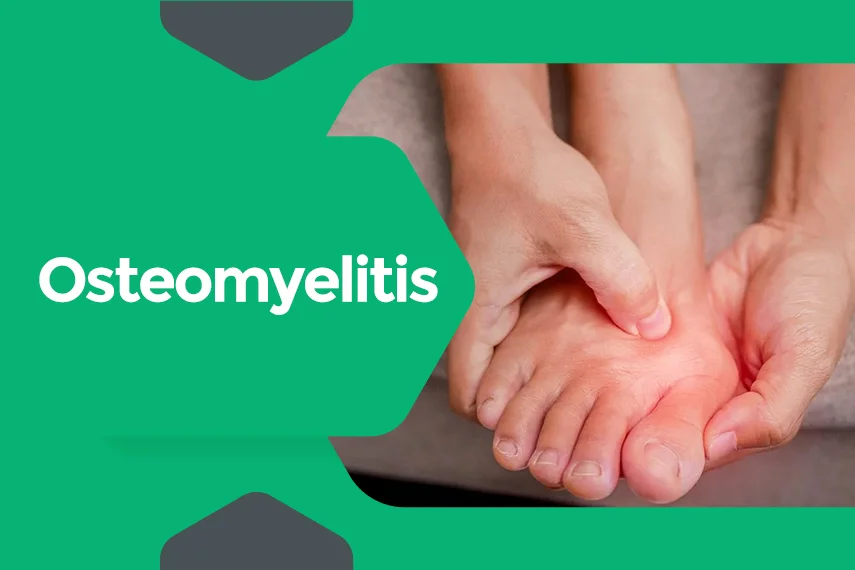
A gout attack usually hits fast. For example, you might wake up with a red, hot, and swollen big toe. In fact, the pain can be so bad that even a bedsheet touching it hurts.
4. The ‘Infection’ Kind: Septic Arthritis
Finally, we have the “infection” kind, called septic degenerative joint. This is a serious medical emergency. Basically, germs like bacteria get inside a joint and cause an infection. This can happen after an injury. Alternatively, the germs can travel through your blood.
The signs are very clear. For instance, the joint will be extremely painful, red, and swollen. In addition, you will likely have a fever and won’t be able to move the joint at all. This needs urgent medical care to save the joint.
5. Autoimmune/Connective Tissue Disease–Associated Arthritis
- Examples: Systemic lupus erythematosus (SLE), scleroderma, mixed connective tissue disease.
- degenerative joint is one of many systemic features.
Clinical Features: Key Differentiators
A thorough clinical assessment is essential. Patterns of joint involvement, timing, and systemic features help narrow the diagnosis.
| Feature | Osteoarthritis | Rheumatoid Arthritis | Gout |
| Onset | Gradual | Insidious | Sudden |
| Joint involvement | Asymmetrical, large joints | Symmetrical, small joints | Monoarticular, often 1st MTP |
| Morning stiffness | <30 minutes | >1 hour | Variable |
| Systemic symptoms | None | Common (fatigue, fever, weight loss) | Sometimes fever |
| Joint findings | Bony hypertrophy, crepitus | Swelling, warmth, deformity | Red, swollen, extremely tender joint |
How Doctors Find the Right Diagnosis and Treatment
Since these conditions are so different, a doctor will need to find the exact cause. They may use blood tests to look for signs of inflammation. Sometimes, they might take a small sample of fluid from the joint to check for crystals or germs.
The treatment must match the problem:
- For Osteoarthritis: The goal is to manage pain. This often includes gentle exercise, weight loss, and pain relievers. Eventually, some people may need joint replacement surgery.
- For Inflammatory Arthritis: Treatment here aims to calm down the immune system. This requires special drugs that stop the attack on your joints. To learn more, check out our guide to managing chronic inflammation.
- For Gout: A doctor will first treat the painful attack. Then, they will prescribe long-term medicine to lower the uric acid in your blood.
- For Septic Arthritis: This needs immediate action. Doctors use strong IV antibiotics and drain the infected fluid from the joint.
For more expert information, you can visit a trusted source like the degenerative joint Foundation.
In conclusion, joint pain is not something you should ignore. By getting the right diagnosis for your specific type of degenerative joint, you can start a treatment plan that truly helps. Ultimately, this can reduce your pain and protect your joints for years to come.