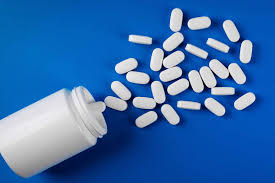
Barbiturates, once widely used as sedatives and hypnotics, have largely been replaced by safer alternatives like benzodiazepines. However, these central nervous system (CNS) depressants are still prescribed for certain conditions, such as seizure disorders (e.g., phenobarbital) and anesthesia. Despite their limited use today, the risk of barbiturate poisoning—or overdose—remains a serious, life-threatening medical emergency.
What is Barbiturate Poisoning?
Barbiturate poisoning occurs when a person takes an excessive or toxic amount of the drug, either accidentally or intentionally. This overwhelms the body’s ability to process the substance, leading to profound depression of the central nervous system. The danger lies in the drug’s narrow therapeutic index, meaning the margin between a dose that is effective and a dose that is lethal is very small.
The Mechanism of Danger
Barbiturates work by enhancing the effects of the neurotransmitter GABA (gamma-aminobutyric acid) in the brain. GABA is an inhibitory neurotransmitter, and by making its effects stronger, barbiturates effectively “slow down” the brain’s activity. In an overdose, this slowdown affects critical areas that control vital functions:
- Respiratory System: This is the most critical danger. The drug depresses the respiratory centers in the brain, causing breathing to become dangerously slow and shallow, potentially leading to respiratory failure and lack of oxygen (hypoxia).
- Cardiovascular System: It can cause a significant drop in blood pressure (hypotension) and a slowed heart rate, which can lead to cardiovascular collapse.
Recognizing the Signs and Symptoms
The symptoms of barbiturate intoxication can range from mild to severe and can progress rapidly. If you suspect an overdose, immediate medical help is necessary—do not wait for symptoms to worsen.
| Early Signs (Intoxication) | Severe Signs (Overdose/Poisoning) |
| Slurred Speech | Profound Respiratory Depression (slow, shallow breathing) |
| Impaired Coordination/Staggering | Coma (unresponsive to stimuli) |
| Extreme Drowsiness or Lethargy | Dilated Pupils |
| Difficulty Thinking or Poor Judgment | Low Blood Pressure (Hypotension) |
| Sluggish Reflexes | Blue tint to lips or fingernails (Cyanosis) |
| Confusion or Delirium | Low Body Temperature (Hypothermia) |
| Usually constricted pupils | ‘Barb’ blisters with serous fluid on frictional skin areas |
Medical Emergency: The most alarming sign of a severe overdose is extremely slow or stopped breathing, and unresponsiveness (coma). Death is often due to respiratory failure and/or cardiovascular complications.
Causes and Risk Factors
An overdose can happen for several reasons:
- Accidental Misdosing: This can occur if a person, especially an elderly individual or someone with impaired judgment, mistakenly takes more than the prescribed amount.
- Intentional Overdose: Barbiturates have historically been used in suicide attempts due to their potent and rapid depressant effects.
- Mixing with Other Depressants: This is a major risk factor. Combining barbiturates with alcohol, opioids, or benzodiazepines multiplies the CNS depressant effect, drastically lowering the lethal dose.
- Tolerance Development: Individuals using barbiturates regularly can develop tolerance, leading them to increase the dose to achieve the desired effect, unknowingly crossing the narrow margin into toxic levels.
Emergency Treatment and Management
Barbiturate poisoning is a medical emergency that requires immediate intervention. There is no specific antidote for barbiturates (unlike for opioids). Treatment focuses on providing supportive care to maintain the person’s vital functions until the drug is metabolized and eliminated from the body.
If you suspect an overdose, call your local emergency services (e.g., 911) immediately.
The treatment a person receives in the hospital may include:
- Airway and Breathing Support: This is the priority. If breathing is compromised, the patient will receive mechanical ventilation (a breathing machine) to ensure adequate oxygenation.
- Circulatory Support: Intravenous fluids and sometimes medications (vasopressors) are administered to stabilize blood pressure.
- Gastrointestinal Decontamination: If the ingestion was recent, Activated Charcoal may be given to help absorb the remaining drug in the stomach and reduce its systemic absorption. Gastric lavage (stomach pumping) is rarely used but may be considered in specific, recent cases.
- Enhanced Elimination: For long-acting barbiturates like phenobarbital, methods like urinary alkalinization or even hemodialysis may be employed to speed up the removal of the drug from the body. Infuse sodium bicarbonate 30mL/kg/hr in 1 litre of 5% dextrose to maintain 150 – 250 mL/hr urinary output.
Prevention and Recovery
Due to the high risks, barbiturates are now used selectively. If you or a loved one are prescribed these medications, it is vital to:
- Follow the Prescription: Never take more than the prescribed dose.
- Avoid Mixing: Never combine barbiturates with alcohol or other sedating medications without strict medical approval.
- Store Securely: Keep the medication locked away, especially from children and individuals with a history of substance misuse or suicidal ideation.
Interesting facts
- Barbs are used for euthanasia in hospitals means for suicide purpose of a patient who cannot be treated.
- Barbiturate automatism is psychiatric condition in which a person can take repeatedly take barbs to get sleep without any intention of suicide and it considered as accidental. One US star died because of this automatism.
- They are used as truth serum in medico legal practices.
Despite various toxic effects barbs are substance misuse drugs and various legal and medicinal important drug so should be maintain proper regimen and surveillance of therapy is important.
For individuals struggling with barbiturate misuse or addiction, a medically supervised detoxification is crucial, as abrupt cessation can lead to life-threatening withdrawal symptoms, including seizures. This is often followed by comprehensive treatment programs, including behavioral therapies and counseling, to address the underlying issues and achieve long-term recovery.