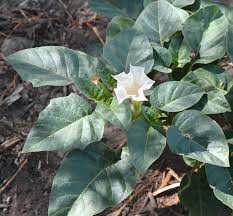
Nature is full of wonders—some healing, some harmful, and a few that walk a thin line between the two. Dhatura (also known as Datura, Jimson weed, or Devil’s trumpet) is one such plant. Recognized by its trumpet-shaped flowers and spiky seed pods, Dhatura has a long history in traditional rituals and folk medicine. But behind its striking appearance lies a potent toxicity that makes it one of the most dangerous plants found in the wild.
This blog explores what Dhatura is, why it’s toxic, how poisoning occurs, and why caution is essential.
What is Dhatura?
Dhatura refers to several species in the Datura genus—Datura stramonium, Datura metel, and Datura inoxia being the most well-known. These plants are commonly found in:
- India and South Asia
- The Americas
- Europe
- Dry, uncultivated lands and roadsides
Traditionally, Dhatura has had various uses in Ayurvedic practices and religious rituals, especially in association with Lord Shiva. However, these uses are extremely limited today due to the high risk of toxicity.
What Makes Dhatura Toxic?
Dhatura contains powerful tropane alkaloids, primarily:
- Atropine
- Scopolamine
- Hyoscyamine
These chemicals affect the central nervous system and block the activity of acetylcholine, a neurotransmitter essential for muscle control, heart function, and brain communication.
Even small amounts can lead to severe poisoning.
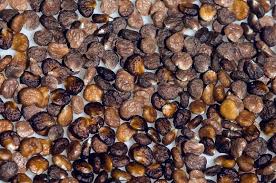
Dhatura seeds
How Dhatura Poisoning Happens
Poisoning can occur through:
- Accidental ingestion of seeds, leaves, or flowers
- Using the plant in herbal remedies without proper knowledge
- Intentional misuse due to its hallucinogenic effects
- Contamination of food grains with Dhatura seeds (a known historical problem)
- Smoking dried leaves as substance abuse
- In India, Dhatura was used for kidnapping, robbery, rape because of Dhatura’s stupefying potential.
Children and animals are especially vulnerable because the seeds and flowers may appear harmless.
Symptoms of Dhatura Toxicity
Fatal dose: 75 – 125 seeds are sufficient to cause death
Symptoms usually appear within 30 minutes to 2 hours of ingestion and can include:
Mild to Moderate Symptoms
- Dry mouth and hot, flushed skin
- Dilated pupils and blurred vision (diplopia)
- Difficulty in speak and difficulty in swallowing
- Increased heart rate
- Restlessness or confusion
- Difficulty urinating
- Diminished bowel sounds or constipation.
Severe Symptoms
- Hallucinations and delirium
- Seizures
- Irregular heartbeat
- Coma
- Respiratory failure
- Pill rolling movements of fingers (tremors)
Dhatura poisoning is a medical emergency. Immediate hospitalization is crucial because symptoms can escalate rapidly.
Treatment and Medical Response
There is no safe home remedy for Dhatura poisoning. Treatment must be carried out in a hospital and may include:
- 2 dose of Activated charcoal, second dose after 1-2 hr interval.
- Sedation for agitation or hallucinations
- ICU monitoring
- Antidotes like physostigmine (administered only by trained medical professionals) 0.5 – 1.0 mg slow IV over 5 min. with ECG monitoring (0.02 mg/kg/dose).
Why Some Cultures Still Use Dhatura
In ancient therapies, Dhatura was used for:
- Asthma (in controlled, smoke-based formulations)
- Anesthetic preparations
- Spiritual practices
However, such uses required precise, expert-level dosing. Modern medicine strictly discourages self-use, because the margin between a “dose” and a “fatal dose” is extremely narrow.
Important Safety Tips
- Never consume any part of the Dhatura plant.
- Do not use seeds or plant material for home remedies.
- Keep children and pets away from the plant.
- Be cautious of wild plants that look like Dhatura.
- Seek medical help immediately if ingestion is suspected.
Dhatura is a plant shrouded in mystery, myth, and danger. Its graceful flowers hide a toxicity that has been responsible for countless accidental and intentional poisonings throughout history. While it holds cultural significance, its risks far outweigh any benefits for the general public.
Respecting the plant—and keeping a safe distance—is the best approach.