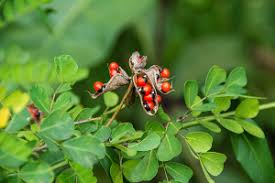
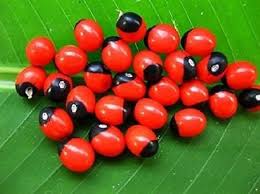
The Rosary Pea, also known as Jequirity Bean, Crab’s Eye, or Gunj, is a striking plant recognized for its bright red seeds with a black spot. These seeds are used widely in jewelry, prayer rosaries, traditional crafts, and cultural rituals.
But behind their beauty lies one of the most toxic natural substances known: abrin.
What Makes Rosary Pea Toxic?
The seeds of Abrus precatorius contain abrin, a highly potent toxin that disrupts protein synthesis inside human and animal cells. Abrin is similar to ricin but several times more toxic per unit weight.
Important:
- Intact seeds are usually safe to touch and even pass through the digestive system without poisoning.
- Chewed, broken, crushed, or drilled seeds are dangerous, because abrin can enter the body.
How Toxic Is Abrin?
Poisoning occurs when the toxin enters the bloodstream or digestive tract through:
- Chewing the seeds
- Ingesting cracked or damaged seeds
- Inhaling or swallowing seed dust (e.g., from jewelry drilling)
Even a single chewed seed can be dangerous.
Symptoms of Rosary Pea Poisoning
Symptoms may appear within hours or be delayed up to several days. They commonly include:
Gastrointestinal Symptoms
- Severe nausea
- Vomiting
- Abdominal cramps
- Bloody diarrhea
Systemic Effects
- Dehydration
- Low blood pressure
- Weakness
- Organ damage (especially liver and kidneys)
In severe cases
Respiratory failure, shock, or death may occur without timely medical treatment.
Sometime it is used to beating animals with needle(abrus containing liquid on it) inserted on wooden handle and its resembles like viper bite seen symptoms of inflammation, oozing of haemorrhagic fluid from site of puncture and necrosis all resembles viper bite symptoms.
How Exposure Happens in Real Life
1. Jewelry making
Many artisans drill Rosary Pea seeds for necklaces or bracelets. Drilling can release toxic dust. This is one of the highest-risk activities.
2. Children’s exposure
Children may mistake the seeds for candy or beads. If a seed is chewed, the risk of poisoning is significant.
3. Herbal misuse
In some regions, the plant is part of traditional medicine but raw seeds are never safe to ingest.
First Aid and What To Do
If someone has chewed or swallowed a damaged Rosary Pea seed, this is a medical emergency.
- Rinse mouth with water
- Alkaline diuresis with sodium bicarbonate- urine is maintained at an alkaline pH.
- Go to the nearest emergency medical facility immediately
- Bring the seed sample (if available) for identification
There is no antidote for abrin; treatment is supportive, so early care is critical.
Safety Tips
- Never drill or crush the seeds at home
- Avoid using rosary pea jewelry for small children
- Do not place the seeds in your mouth
- Store craft materials safely
- If you grow the plant, keep it away from pets and kids
Beauty with Caution
The Rosary Pea is undeniably beautiful, with seeds that have played a role in culture, jewelry, music, and tradition for centuries. But its toxic potential means we must handle it with respect and care. Awareness is the best way to prevent accidental poisoning.