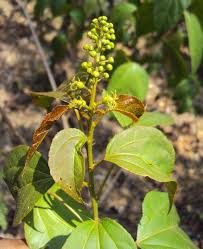
Croton tiglium, commonly called Purging Croton, Croton Oil Plant, or Jamalgota, is a small shrub native to India and Southeast Asia. While the plant has a long history in traditional medicine, it is one of the most toxic medicinal plants in the world. Knowing its dangers is essential for anyone who encounters it—whether in herbal markets, gardens, or traditional healing contexts.
Why Is Croton Toxic?
The seeds of Croton tiglium contain compounds that are highly irritant and cytotoxic, the most notable being:
• Phorbol esters
These are powerful skin and gastrointestinal irritants. Even small amounts can cause severe inflammation, blistering, and acute digestive distress.
• Croton oil
Extracted from the seeds, croton oil is a potent purgative and was historically used in minute doses. However, because the therapeutic dose is dangerously close to the toxic dose, it is no longer considered safe for medicinal use.
How Toxic Is Croton?
Croton toxicity is dose-dependent but unpredictable. A few drops of the oil or a few seeds can cause serious poisoning.
Fatal dose: 4 crushed seeds or 3 drops croton oil
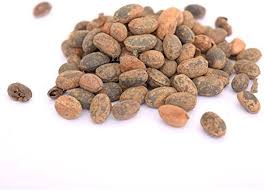
croton seeds
Common symptoms of exposure
Skin contact:
- Redness
- Burning sensation
- Painful blisters
- Swelling
Ingestion:
- Intense abdominal cramps
- Violent vomiting
- Profuse diarrhea
- Dehydration
- Electrolyte imbalance
- Risk of shock
Severe cases may lead to:
- Kidney damage
- Cardiovascular collapse
- Multi-organ failure
Why Children Are Especially at Risk
Croton seeds resemble edible nuts or beans. Accidental ingestion can rapidly lead to life-threatening symptoms in children due to their smaller body weight and quicker fluid loss.
Traditional Uses vs. Modern Safety
In Ayurveda and Chinese herbalism, croton seeds were historically “detoxified” before use. But techniques vary widely, and modern toxicology shows that incomplete processing can leave dangerous levels of irritants.
Because of its high toxicity and the difficulty of controlling its dose, croton is not recommended for self-medication under any circumstances.
First Aid and What to do
If someone is exposed to croton:
- Rinse skin thoroughly with water for external exposure
- Administration of demulcent drinks such as milk or egg white.
- Stomach wash means drink excess water.
- Seek immediate medical care for any ingestion
- Bring plant material or seeds (if available) to the hospital for identification
Safe Handling Tips
If you live in an area where croton grows or is sold:
- Avoid handling the seeds
- Wear gloves if you must touch the plant
- Store herbal materials out of children’s reach
- Never experiment with croton oil or raw seeds
Croton tiglium is a plant with a dramatic history and powerful effects—but its toxicity makes it unsafe for casual or home medicinal use. Respect for its potency is essential. If you’re interested in herbal medicine, safer alternatives exist for nearly every purpose croton was historically used for.