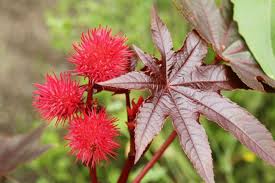
Ricinus communis, commonly known as the castor bean plant, is a widely cultivated ornamental species and the natural source of castor oil. From a toxicological perspective, it is one of the most significant plant species encountered in clinical and environmental toxicology due to its complex mixture of irritant compounds and toxic proteins.
While the plant contains several bioactive constituents, its toxicological profile differs depending on the plant part, route of exposure, and whether the exposure is mechanical, chemical, or systemic. This article summarizes the key principles relevant to toxicologists, clinicians, and environmental health professionals.
Active toxic principle in plant
1 Ricin (Toxic Protein – Internal to Seed Only)
- A Type II ribosome-inactivating protein (RIP).
- Located inside the seed endosperm; not present in the oil after industrial processing.
- Toxicity requires chewing or rupture of the seed coat.
(No extraction processes are described here.)
2 Ricinine (Alkaloid)
- A piperidine alkaloid present in leaves and seeds.
- Less potent than ricin but useful as a biomarker of exposure in toxicology research.
- Can contribute to mild gastrointestinal and neurologic symptoms after ingestion of plant material.
3 Allergens and Irritants
- The seed coat contains allergens that may provoke:
- Contact dermatitis
- Urticaria
- Ocular irritation
- Crushed leaves and sap can produce mild irritant effects in susceptible individuals.
Exposure Pathways
1 Ingestion
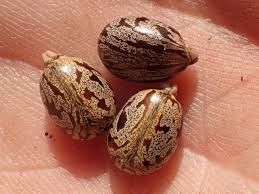
- Most clinically significant exposures involve chewed seeds, particularly among children, pets, and livestock.
- Intact seeds tend to pass without releasing their internal toxic proteins.
2 Dermal Contact
- Contact with seed coats, sap, or hairs on seed pods may cause:
- Erythema
- Pruritus
- Localized inflammation
- Systemic toxicity from dermal exposure is not expected.
3 Inhalation
- Occupational exposure to castor bean dust (e.g., processing facilities) is an established cause of:
- Allergic airway irritation
- Occupational asthma
- Hypersensitivity pneumonitis in rare cases
4 Ocular Exposure
- Sap or dust can cause acute conjunctival irritation.
Toxicokinetics
Absorption
- Ricin absorption from the GI tract is variable and dose-dependent.
- Dermal and inhalational absorption of ricin from intact plant material is very low.
Distribution
- Once absorbed, ricin distributes to highly perfused organs including:
- Liver
- Kidneys
- Spleen
- GI mucosa
Metabolism & Elimination
- Ricin is primarily degraded proteolytically.
- Ricinine is eliminated in urine and may be detected in toxicology screens after ingestion.
Clinical Manifestations
Fatal dose: 5- 10 seeds are sufficient to cause symptoms.
1 Dermal or Ocular Exposure
- Contact dermatitis
- Conjunctival irritation
- Possible allergic responses in sensitized individuals
These exposures are generally self-limited.
2 Ingestion of Plant Material
Severity depends on amount and whether seeds were chewed.
Early symptoms (within hours):
- Nausea
- Vomiting
- Abdominal cramps
- Diarrhea
Moderate to severe cases may include:
- Hemoconcentration due to fluid loss
- Electrolyte abnormalities
- Hepatocellular injury
- Renal impairment
Severe systemic toxicity is rare from accidental ingestion of a small number of seeds but is medically significant when it occurs.
3 Inhalational Exposure (Occupational)
- Persistent cough
- Wheezing
- Dyspnea
- Possible sensitization leading to asthma-like symptoms
Diagnosis
Diagnosis relies on:
- Exposure history, especially seed ingestion.
- Clinical findings consistent with irritant or systemic toxicity.
- Laboratory tests to monitor:
- Liver enzymes
- Renal function
- Electrolytes
- Hematologic status
Ricin itself is not routinely measured clinically.
Ricinine may be used in research or forensic settings as an exposure biomarker.
Management and Treatment
Dermal/Ocular Exposure
- Irrigation with water or saline
- Symptomatic treatment for dermatitis or conjunctivitis
- Monitoring for allergic reactions
Ingestion
- Early medical evaluation
- Supportive care:
- IV fluids
- Antiemetics
- Electrolyte correction
- Monitoring hepatic and renal function
- Activated charcoal may be considered if presentation is early, depending on clinician judgment.
There is no specific antidote; treatment is supportive and based on clinical severity.
Environmental and Public Health Considerations
- Ricinus communis can become naturalized or invasive in warm climates.
- Seed dispersal presents potential risk for children, pets, and livestock.
- Processing facilities must manage castor dust to prevent occupational sensitization.
- Castor oil produced industrially is safe, as toxic proteins are denatured during regulated processing.
- Used as abortifacient and warfare
From a toxicological standpoint, Ricinus communis is a plant with a wide spectrum of clinical relevance—from mild irritant reactions to potentially serious systemic effects after ingestion of chewed seeds. Toxicologists, clinicians, and public health professionals should understand its major constituents, exposure pathways, and risk factors to guide prevention, diagnosis, and management.