Phosphorus is an essential element for life—it’s in our DNA, our bones, and the foods we eat. But in certain forms, particularly white phosphorus, it’s also a highly dangerous substance. Phosphorus poisoning is rare but extremely serious, and understanding its risks can help prevent accidental exposure.
What Is Phosphorus and Why Can It Be Dangerous?
Phosphorus exists in several forms, but the two most relevant in health and safety are:
- White (or yellow) phosphorus: Highly reactive, used in industrial applications, fireworks, and military settings. It is extremely toxic.
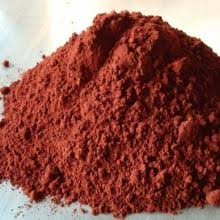
- Red phosphorus: More stable and less toxic, commonly used in matches, safety equipment, and industrial processes.
Phosphorus poisoning usually involves white phosphorus, which is readily absorbed into the body and causes widespread organ damage.
How Exposure Happens
Accidental or occupational exposure can occur through:
- Ingestion (the most dangerous route)
- Skin contact (especially burns)
- Inhalation of smoke from phosphorus-containing materials
- Environmental contamination (industrial runoff, landfill fires)
White phosphorus is fat-soluble, so it can slip through biological membranes easily, causing rapid systemic toxicity.
Symptoms of Phosphorus Poisoning
Fatal dose: 60 – 120 mg death occurs within 24 hr to 3 days
Symptoms often appear in three stages:
1. Initial Phase (0–8 hours)
- Severe abdominal pain
- Vomiting (sometimes luminous or garlic-smelling—a classic sign)
- Diarrhea
- Thirst
- Fatigue and dizziness
2. Latent Phase (8 hours–3 days)
The victim may appear to improve temporarily. Internally, however, phosphorus continues to damage:
- Liver
- Kidneys
- Heart
This “quiet” period can be misleading and dangerous. Liver enzymes become elevated.
3. Organ Failure Phase (2–8 days)
If untreated, severe complications may follow:
- Jaundice and liver necrosis
- Acute kidney failure
- Arrhythmias
- Hypotension
- Seizures
- Multi-organ failure
White phosphorus burns on skin can also be deep, painful, and difficult to extinguish because the material can ignite spontaneously in air.
In chronic cases: Initially, there is toothache followed by swelling of jaw and necrosis of jaw known as Lucifer jaw or phossy jaw.
Diagnosis
Doctors typically rely on:
- Patient history (exposure clues are key)
- Blood tests showing liver/kidney injury
- Electrolyte abnormalities
- ECG changes from cardiac stress
There is no simple test that directly measures phosphorus toxicity in the body, so clinical assessment is crucial.
Treatment
There is currently no specific antidote for white phosphorus poisoning. Treatment focuses on:
- Immediate decontamination
- Washing skin with water
- Removing contaminated clothing
- Covering burns with wet dressings
- Activated charcoal (for some ingestions, depending on timing)
- Supportive care
- Managing organ failure
- IV fluids
- Monitoring heart rhythm
- Treating shock
In severe cases, intensive care is required.
Prevention: The Best Medicine
Because phosphorus poisoning is so dangerous, prevention is essential:
- Use proper protective equipment in industrial settings.
- Store phosphorus-containing materials securely, away from heat sources.
- Avoid handling any unknown “waxy,” yellowish, or glowing material—especially near water sources or abandoned industrial sites.
- Follow fireworks and pyrotechnics safety guidelines.
Public awareness is surprisingly low, even though white phosphorus is involved in manufacturing, military operations, and environmental accidents.
Environmental Concerns
Phosphorus contamination from industrial sources can harm wildlife and ecosystems. When white phosphorus enters aquatic environments—such as rivers near military ranges—it can be mistaken for food by fish and birds, causing fatal poisoning. Preventing environmental leaks is critical for public health and biodiversity.