Lead poisoning remains a silent public health threat—especially for young children—even though regulations have greatly reduced lead use in paints, gasoline, and plumbing. Because lead is a toxic heavy metal that accumulates in the body, even small amounts can cause serious long-term health effects.
This guide breaks down what lead poisoning is, where exposure comes from, symptoms to watch for, and the steps you can take to prevent it.
What Is Lead Poisoning?
Lead poisoning occurs when lead builds up in the body, usually over months or years. While adults can be affected, children under six are most vulnerable because their nervous systems are still developing and they absorb lead more easily.
There is no safe level of lead exposure in children.
Common Sources of Lead Exposure
Even though lead is no longer widely used, it still hides in older materials and environments. Key sources include:
1. Lead-Based Paint
Homes built before 1978 may contain lead paint. When this paint chips, peels, or creates dust during renovations, it becomes a major exposure route. Lead carbonate was chemical used in earlier for paints now replaced by titanium dioxide.
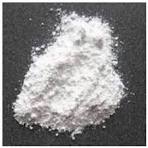
Lead carbonate
2. Contaminated Soil
Soil near old buildings, highways, or industrial sites can contain lead from past emissions or paint chips.
3. Drinking Water
Older pipes, solder, or plumbing fixtures may leach lead—especially in homes built before the 1980s.
4. Imported Goods
Some imported toys, holiday decorations, pottery glazes, spices, or cosmetics may contain unsafe lead levels. Lead tetroxide in vermilion used as sindoor in hindu women and lead sulphide used as surma in muslims both are concern for toxicity.

Lead sulfide
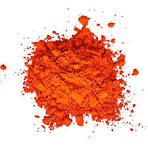
Lead tetroxide
5. Occupational Exposure
Jobs such as construction, battery manufacturing, and metal recycling may involve lead, potentially bringing dust home on clothing or gear.
Symptoms of Lead Poisoning
Symptoms often develop slowly and can be mistaken for other health issues—especially in children.
Fatal dose for Lead carbonate: 40gm and Lead acetate: 20gm
In Children
Lead paint dust is most common source of ingestion in children because toys commonly painted with lead and children put things in their mouths.
- Developmental delays
- Learning difficulties
- Irritability or behavior issues
- Loss of appetite
- Fatigue
- Abdominal pain or constipation
- Hearing problems
- Slowed growth
In Adults
- High blood pressure
- Joint or muscle pain
- Memory or concentration problems
- Headache
- Mood disorders
- Fertility issues
- Nerve pain or weakness
- Constipation
- Abdominal pain
- Anemia
Why Lead Poisoning Is So Dangerous
Lead affects nearly every organ system, but the brain and nervous system are most vulnerable. Even low-level exposure in children can cause permanent cognitive and behavioral damage.
Because lead accumulates in bones, past exposure can release into the blood during pregnancy, putting unborn babies at risk.
How to Prevent Lead Exposure
1. Test Your Home
If your home was built before 1978, consider:
- Lead paint inspection
- Dust or soil testing
- Water testing (especially for older plumbing)
2. Practice Safe Renovations
Avoid sanding or scraping old paint without proper safety measures. Use EPA-certified lead-safe contractors.
3. Keep Dust Levels Low
Wet-mop floors and wipe surfaces regularly. Use HEPA-filter vacuums if possible.
4. Wash Hands and Toys Frequently
Especially before meals and after outdoor play.
5. Run Cold Water
Running tap water for several seconds can reduce lead levels, and cold water generally leaches less lead than hot.
6. Eat a Healthy Diet
Foods rich in calcium, iron, and vitamin C can help reduce lead absorption.
7. If You Work With Lead
Change clothes and shower before returning home to avoid contaminating your living environment.
Testing and Treatment
A simple blood test in which basophilic stippling of RBCs can confirm lead exposure.
Xray lead lines and blue gums.
Elevated free erythrocyte protoporphyrin(>35 micro gram/dL), elevated urine lead level more than 80 micro gm/dL, elevated coproporphyrine in urine more than 15 micro gm/dL.
Treatment depends on the level:
- Low levels: Removing exposure sources and monitoring.
- Moderate levels: Medical supervision and follow-up testing. Chelating agent is given DMSA 10mg/kg oral every 8hr for 5 days then every 12hr for 2 weeks.
- High levels: Chelation therapy, which binds lead so it can be excreted. BAL given in serious conditions.
Early detection is key to reducing long-term effects.