In recent years, opioid poisoning—often referred to as opioid overdose—has become one of the most urgent public health crises around the world. Whether caused by prescription painkillers, synthetic opioids like fentanyl, or illicit drugs such as heroin, opioid poisoning can be deadly within minutes if not recognized and treated promptly.
This blog explores what opioid poisoning is, how to recognize it, and what steps can be taken to prevent and respond to it effectively.
What Is Opioid Poisoning?
Opioid poisoning occurs when a person consumes an excessive amount of opioids, leading to toxic effects on the body, especially the brain and respiratory system. Opioids work by binding to receptors in the brain that control pain and emotions—but in high doses, they can slow or stop breathing, leading to loss of consciousness or death.
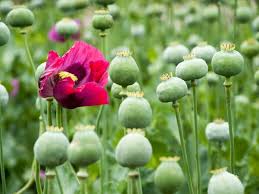
Opioid plant poisonous parts are latex fluid of poppy plant however seeds are non-poisonous but it closely resembles chilli seeds so can be take accidently.
Opioids are medically important drugs used for anaesthesia and painkillers also but it is also a substance misuse material which is taken by inhalation, IV, Intradermal or mixed with other abusive substances.
Common Opioids Include:
- Prescription painkillers: Oxycodone, Hydrocodone, Morphine, Codeine
- Synthetic opioids: Fentanyl, Carfentanil, Methadone
- Illicit drugs: Heroin
Causes and Risk Factors
Opioid poisoning can happen accidentally or intentionally. Some common causes include:
- Taking higher doses than prescribed
- Combining opioids with alcohol, benzodiazepines, or sedatives
- Using street drugs contaminated with fentanyl
- Reduced tolerance after a period of abstinence (e.g., after rehab or incarceration)
- Children or pets accidentally ingesting opioid medications
Certain populations are at higher risk, including people with chronic pain, mental health conditions, and those with a history of substance use disorder.
Symptoms of Opioid Poisoning
Opioid 2gm or morphine 0.2gm is very fatal which reach peak effects in 10 min if taken by nasal route.
Recognizing the signs early can save a life. The “opioid overdose triad” consists of:
- Slow or stopped breathing (respiratory depression)
- Extreme drowsiness or unconsciousness
- Pinpoint pupils (tiny pupils)
Other symptoms include:
- Pale, clammy skin
- Blue or purple lips and fingernails
- Weak pulse or low blood pressure
- Vomiting or gurgling sounds
- Muscular rigidity with IV injections.
- Loss in urine frequency and constipation
What to Do in Case of Opioid Poisoning
If you suspect someone has overdosed:
- Call emergency services (911 in the U.S.) immediately.
- Administer naloxone (Narcan) if available. Naloxone is a life-saving medication that reverses opioid effects temporarily.
- Check for breathing and pulse. Begin CPR if necessary.
- Keep the person awake and on their side to prevent choking.
- Stay with them until medical help arrives.
In post-mortem findings you can see pink froth around nostril and mouth and due to blood becomes black the pm staining will also purple or blackish.
Tip: Naloxone is available without a prescription in many areas. Carrying it can save a life.
Treatment and Recovery
After initial emergency care, the person may need:
- Hospital observation for complications or recurrent toxicity
- Detoxification and addiction treatment programs
- Counseling or medication-assisted treatment (MAT) using buprenorphine or methadone
- Support networks like Narcotics Anonymous (NA) or local recovery groups
- Naloxone (IV/IM) is the antidote of choice given 0.4mg – 2mg in every 2-3 min. till total dose becomes 10mg.
Prevention Strategies
Preventing opioid poisoning starts with awareness and responsible use.
For Patients:
- Take medications exactly as prescribed
- Avoid mixing opioids with alcohol or sedatives
- Store medications securely and dispose of leftovers properly
For Communities:
- Promote education about opioid safety
- Support harm reduction initiatives (like needle exchanges and naloxone distribution)
- Encourage non-opioid pain management approaches
The Bigger Picture
Opioid poisoning is not just a medical issue—it’s a social, psychological, and public health challenge. Reducing stigma and improving access to treatment can prevent countless tragedies. Awareness and compassion go hand in hand with science and safety.
Final Thoughts
Opioid poisoning can happen to anyone. Recognizing the signs, knowing how to respond, and taking preventive steps can make a life-saving difference. Whether you’re a healthcare provider, a family member, or a concerned friend, your awareness could save a life.
If you or someone you know is struggling with opioid use, reach out for help.
📞 In the U.S., call the Substance Abuse and Mental Health Services Administration (SAMHSA) Helpline: 1-800-662-HELP (4357).
🌍 For international readers, check your local health authorities for addiction support services.