Flies are more than just a nuisance—they are potent vectors of infectious diseases that contribute significantly to the global burden of morbidity, especially in tropical and subtropical regions. Certain species of flies act as either mechanical or biological vectors, transmitting pathogens that cause gastrointestinal, parasitic, viral, and systemic diseases in humans.
This article provides a clinically detailed overview of the medically important flies, the diseases they transmit, and evidence-based strategies for prevention and control.
Overview: Why Are Flies Medically Important?
Flies contribute to disease transmission via:
- Mechanical Transmission: Carrying pathogens externally from contaminated sources (e.g., feces, decomposing matter) to human food, mucous membranes, or open wounds.
- Biological Transmission: Serving as hosts in which pathogens multiply or develop before being transmitted to humans via biting or larval deposition.
Medically Important Flies and Associated Diseases
1. Housefly (Musca domestica)
- Mode of Transmission: Mechanical
- Clinical Relevance:
Houseflies are not hematophagous (blood-feeding), but they are potent mechanical vectors due to their feeding and breeding habits. - Diseases Transmitted:
- Enteric infections: Typhoid fever (Salmonella typhi), Shigellosis, Cholera (Vibrio cholerae)
- Parasitic infections: Amebiasis, Giardiasis
- Bacterial infections: Tuberculosis (via contaminated sputum), Conjunctivitis
- Public Health Impact: Common in urban slums and refugee camps; contribute to diarrheal disease burden in children.
2. Tsetse Fly (Glossina spp.)
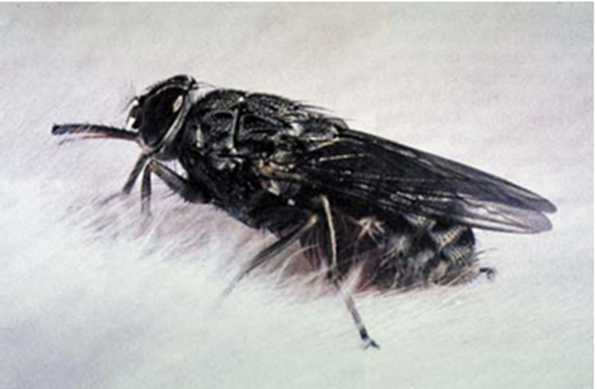
Tse tse fly
- Mode of Transmission: Biological
- Disease: Human African Trypanosomiasis (HAT), also known as Sleeping Sickness
- Pathogen: Trypanosoma brucei gambiense (chronic form) and T. b. rhodesiense (acute form)
- Clinical Presentation:
- Early (Hemolymphatic stage): Fever, lymphadenopathy, arthralgia
- Late (Neurological stage): Confusion, daytime somnolence, insomnia, coma
- Epidemiology: Endemic in Sub-Saharan Africa; a significant cause of disability in affected regions.
- Treatment: Pentamidine, Suramin, or Nifurtimox-Eflornithine Combination Therapy (NECT), depending on the stage and species.
3. Sandfly (Phlebotomus and Lutzomyia spp.)
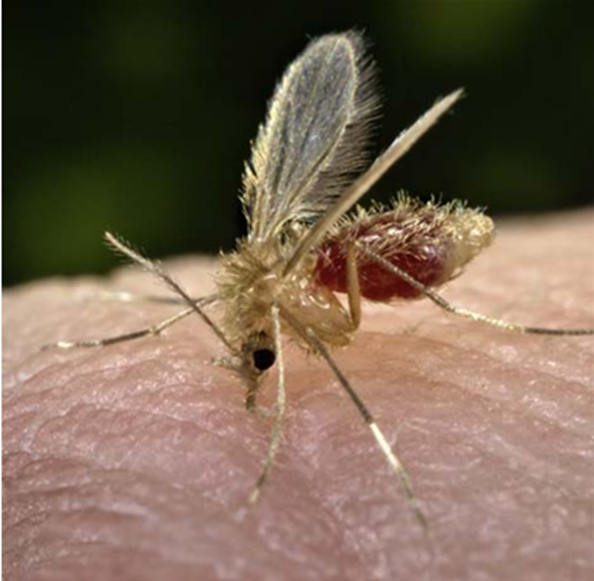
- Mode of Transmission: Biological
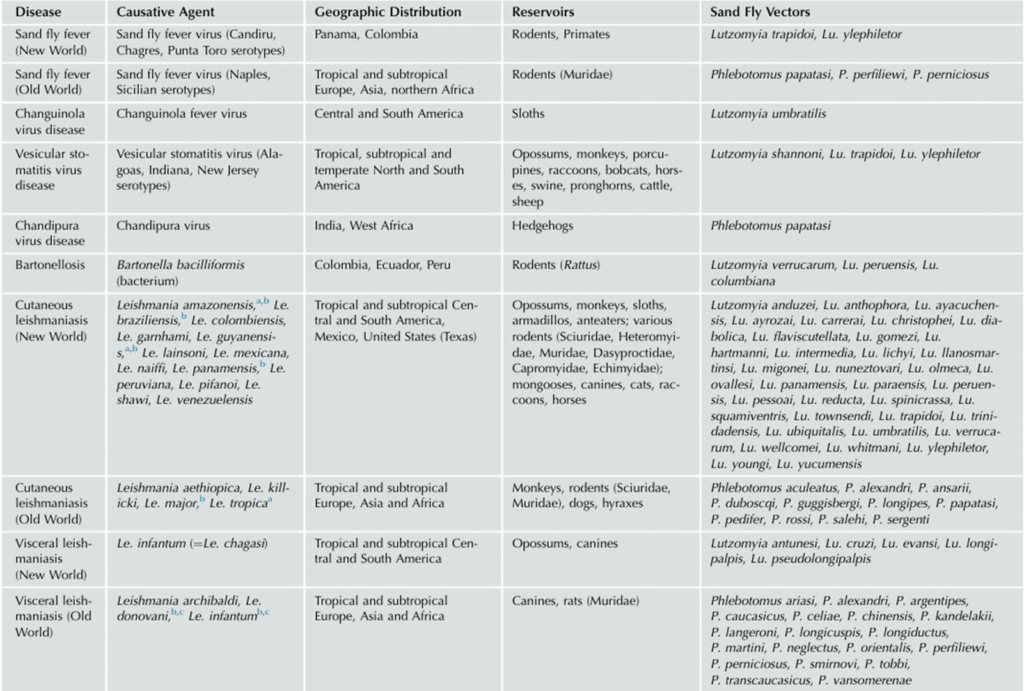
- Diseases:
- Leishmaniasis (cutaneous, mucocutaneous, visceral)
- Sandfly Fever (Phleboviral infection)
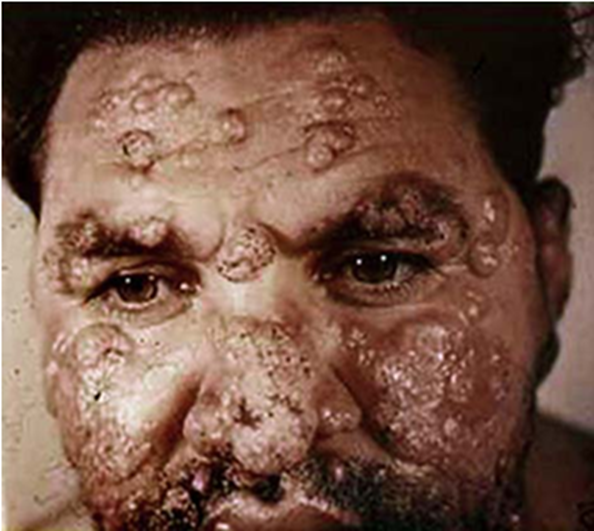
Severe case of diffuse (disseminated) leishmaniasis in a male patient
- Pathogens:
- Leishmania donovani, L. tropica, L. braziliensis
- Phleboviruses (e.g., Naples virus, Sicilian virus)
- Clinical Presentation:
- Cutaneous: Ulcerative skin lesions
- Visceral: Fever, hepatosplenomegaly, pancytopenia (Kala-azar)
- Treatment: Liposomal amphotericin B, miltefosine, pentavalent antimonials
- Note: Visceral leishmaniasis is fatal if untreated.
sand fly and diseases
4. Blackfly (Simulium spp.)
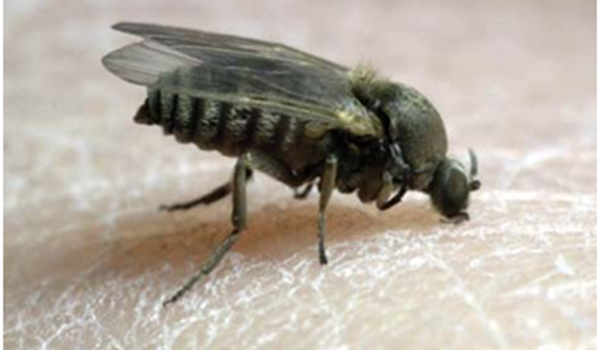
- Mode of Transmission: Biological
- Disease: Onchocerciasis (River Blindness)
- Pathogen: Onchocerca volvulus (filarial nematode)
- Clinical Features:
- Dermatological: Pruritus, dermatitis, lichenification
- Ocular: Keratitis, chorioretinitis, eventual blindness
- Endemic Areas: Sub-Saharan Africa, Latin America, and Yemen
- Control Measures: Mass drug administration (MDA) with Ivermectin (Mectizan), vector control via larvicide spraying
- Public Health Note: Second leading infectious cause of blindness globally
5. Human Botfly (Dermatobia hominis)
- Mode of Transmission: Direct parasitism (larval infestation)
- Condition: Furuncular Myiasis
- Geographic Range: Central and South America
- Clinical Presentation:
- Painful, erythematous skin nodules with central punctum
- Sensation of movement under skin
- Risk of secondary bacterial infection
- Management:
- Manual extraction of larvae
- Wound cleaning and antibiotic prophylaxis if needed
6. Horsefly (Tabanus spp.)
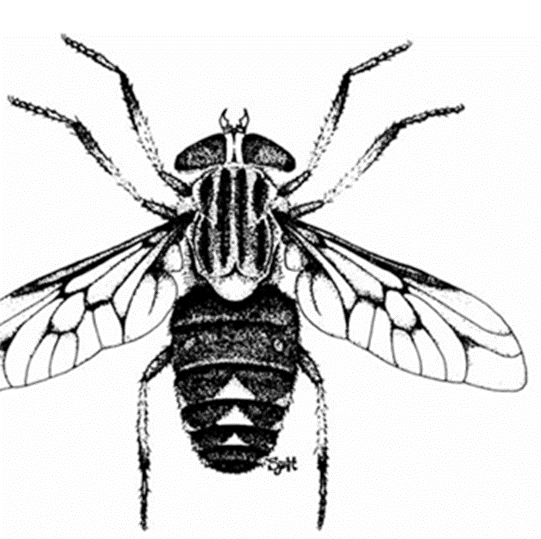
Horse fly, Tabanus trimaculatus
- Mode of Transmission: Mechanical (primarily), potential biological in rare contexts
- Clinical Significance:
Horseflies are large, blood-feeding flies with painful bites due to their scissor-like mouthparts. Female horseflies feed on blood, while males typically feed on nectar. - Associated Diseases:
- Tularemia (Francisella tularensis)
- Loiasis (Loa loa – in some regions, though mainly transmitted by Chrysops spp., a close relative)
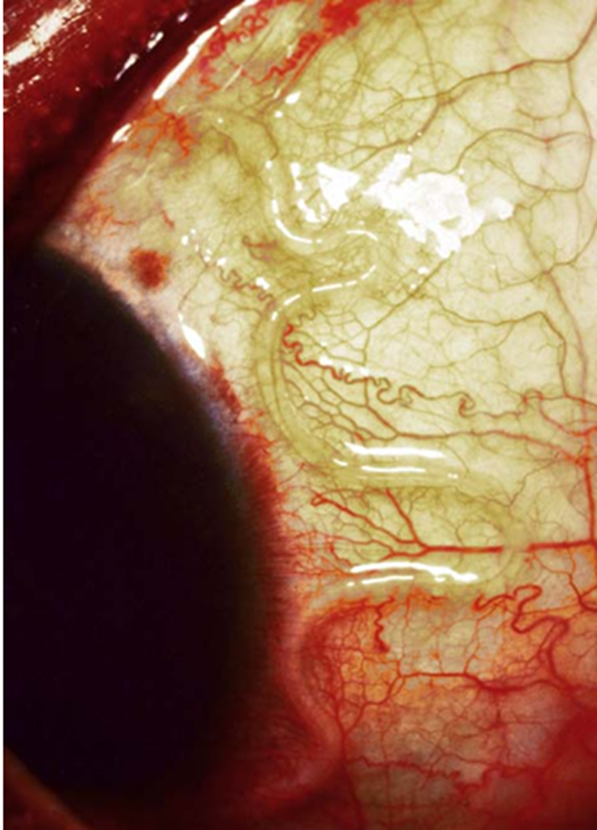
African eyeworm, Loa loa. Adult filarial nematode just beneath conjunctiva of human eye
- Anthrax (mechanical transmission from infected animals)
- Trypanosomiasis in animals (e.g., Trypanosoma evansi, causing Surra in livestock)
- Clinical Features:
- Bite reactions: Painful, itchy, erythematous wheals
- Secondary infections: Due to scratching or bacterial inoculation
- Tularemia: Ulceroglandular form most common—characterized by skin ulcers and regional lymphadenopathy
- Geographic Distribution:
- Found worldwide, especially in rural, wetland, and wooded areas
- Disease transmission primarily reported in North America, Africa, and parts of Asia
- Public Health Relevance:
- While not a major vector in humans compared to other flies, horseflies can cause outbreaks of zoonotic diseases like tularemia and economic losses in livestock through disease and blood loss.
- Preventive Measures:
- Avoiding exposure in endemic rural areas
- Use of repellents, protective clothing, and insect-proof housing for animals
- Vector control around stables, wetlands, and grazing areas
Summary Table: Medically Important Flies and Related Diseases
| Fly Species | Disease(s) Transmitted | Pathogen(s) | Type of Transmission | Endemic Region |
| Musca domestica | Typhoid, Cholera, Dysentery | Salmonella, Vibrio, Shigella | Mechanical | Global (especially poor sanitation areas) |
| Glossina spp. | African Trypanosomiasis | Trypanosoma brucei | Biological | Sub-Saharan Africa |
| Phlebotomus spp. | Leishmaniasis, Sandfly Fever | Leishmania spp., Phleboviruses | Biological | South America, Middle East, Africa |
| Simulium spp. | Onchocerciasis (River Blindness) | Onchocerca volvulus | Biological | Africa, Latin America |
| Dermatobia hominis | Myiasis | Larval infestation | Direct (larvae) | Central & South America |
Prevention and Control Strategies
Personal Protection
- Use of insect repellents containing DEET or picaridin
- Protective clothing in endemic regions
- Insecticide-treated bed nets in sandfly and tsetse fly zones
Environmental and Community Interventions
- Waste management and sanitation to control housefly populations
- Vector control programs (e.g., larviciding rivers for blackflies)
- Health education on personal hygiene and environmental cleanliness
- MDA campaigns for diseases like onchocerciasis and lymphatic filariasis
Clinical Considerations
- Early diagnosis and species identification are crucial for management and control.
- Travel history is key in differential diagnosis of unexplained febrile or dermatologic illnesses.
- Consider referral to infectious disease specialists in complicated or travel-related cases.
Fly-borne diseases continue to pose a significant public health threat, particularly in resource-limited settings. Awareness, early detection, and integrated vector management are essential to reducing the incidence and impact of these infections.
Healthcare providers, public health workers, and travelers must remain informed about these diseases to ensure timely intervention and prevention.