Have you ever had a pain that felt deeper than a muscle, like it was coming from the bone itself? While many aches are temporary, a deep, persistent bone pain accompanied by a fever can be a major red flag for a serious condition called osteomyelitis.
In short, osteomyelitis is an infection of the bone. It can strike suddenly or develop into a chronic problem that is very difficult to solve. Therefore, getting a fast diagnosis and starting treatment right away is critical to prevent lasting damage.
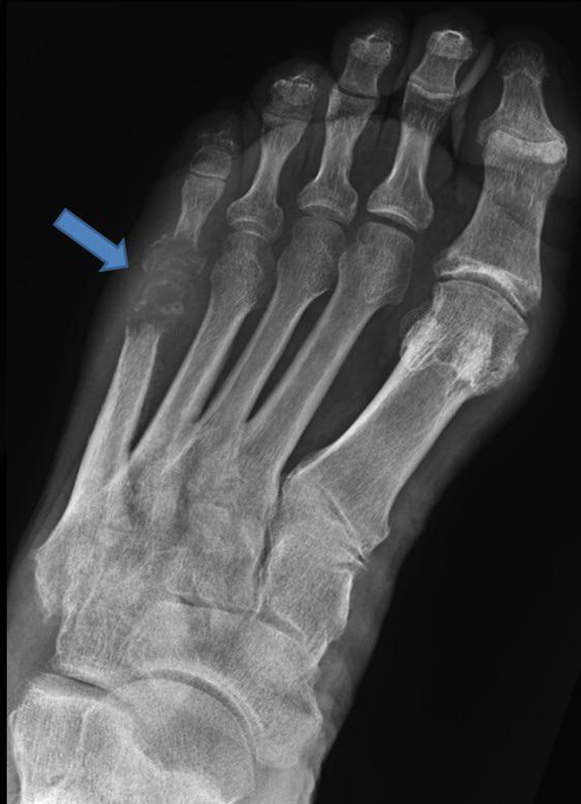
What Is Osteomyelitis?
Osteomyelitis is an inflammatory condition of bone caused by infection. It can affect the bone cortex, marrow, periosteum, and surrounding soft tissue. The condition can develop via direct inoculation, contiguous spread from adjacent infections, or hematogenous dissemination.
Classification
Osteomyelitis is classified based on pathogenesis, duration, and host factors.
1. By Duration
- Acute Osteomyelitis:
- Develops over days to weeks
- More common in children
- Chronic Osteomyelitis:
- Persists for months or years
- Associated with necrotic bone (sequestrum), sinus tracts, and recurrent infections
2. By Route of Infection
- Hematogenous:
- Common in children
- Often affects long bones (e.g., femur, tibia)
- Contiguous Spread:
- From adjacent infections or trauma (e.g., diabetic foot ulcers, post-surgical infections)
- Direct Inoculation:
- Open fractures, surgical contamination
3. By Host Factors (Cierny-Mader Classification)
- Classifies based on anatomic involvement and host immune status (A: healthy, B: compromised, C: treatment risk outweighs benefit)
Common Causative Organisms
| Pathogen | Typical Scenario |
| Staphylococcus aureus | Most common overall |
| MRSA | Hospital-acquired or high-risk patients |
| Streptococcus spp. | Children, trauma |
| Gram-negative bacilli | IV drug users, urinary source |
| Salmonella spp. | Sickle cell disease |
| Pseudomonas aeruginosa | Diabetic foot infections, puncture wounds |
How Does a Bone Get Infected?
A bone infection doesn’t just appear out of nowhere. Instead, germs have to find a way to get deep inside the bone tissue. There are three main routes this can happen:
- Through the Bloodstream: Germs from an infection elsewhere in your body (like a urinary tract infection) can travel through your blood and settle in a bone. This is most common in children.
- From a Nearby Infection: An infection in the skin or soft tissue can spread directly to the bone underneath. For instance, this is a major risk for people with diabetic foot ulcers.
- Direct Contamination: A severe injury, like an open fracture where the bone breaks through the skin, can allow germs to get directly into the bone.
The Critical Signs You Can’t Ignore
The symptoms of osteomyelitis depend on whether the infection is new (acute) or has been lingering for a long time (chronic).
Signs of an Acute Infection:
An acute bone infection happens quickly and the symptoms are usually intense. For example, you might experience:
- A high fever and chills.
- Severe, constant pain in the affected bone.
- Swelling, warmth, and redness over the area.
- Feeling generally unwell and tired.
- In children, they may refuse to use the affected arm or leg.
Signs of a Chronic Infection:
A chronic infection, on the other hand, can be much harder to spot. The symptoms can come and go. They include:
- A long-term, dull ache in the bone.
- A non-healing sore over the skin that may leak pus.
- Occasional swelling and warmth.
- Sometimes, there is no fever at all.
How Doctors Diagnose and Treat Osteomyelitis
Because a bone infection can be so serious, doctors act quickly.
First, they will likely order blood tests to look for signs of inflammation and infection. While an X-ray can be helpful, it often doesn’t show an infection in the early stages. Therefore, the best imaging test is usually an MRI, which can detect the infection much sooner. Ultimately, the gold standard for diagnosis is a bone biopsy, where a small piece of the bone is removed and tested to identify the exact germ causing the problem.
Treatment for osteomyelitis is aggressive and has two main parts:
- Powerful Antibiotics: This is not a short course of pills. Treatment requires a long course of strong antibiotics, often for 4 to 6 weeks. Many times, it starts with IV antibiotics in the hospital.
- Surgery: For chronic infections, surgery is almost always necessary. A surgeon must go in to clean out all the dead, infected bone and drain any abscesses. Without removing this dead tissue, the antibiotics can’t reach the source of the infection.
For more expert information, you can visit a trusted source like the Johns Hopkins Medicine Health Library. If you are dealing with a related condition, check out our The Ultimate Guide to Beating Crippling Arthritis Pain.
In conclusion, osteomyelitis is a serious condition that you must not take lightly. If you have deep, localized bone pain, especially with a fever or a non-healing sore, see a doctor immediately. A fast and aggressive treatment plan is the key to beating this terrifying infection and preventing long-term complications.