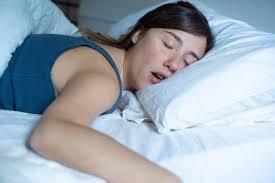
Does your partner complain about your deafening snores? Have they ever mentioned that you seem to gasp or even stop breathing altogether while you sleep? If so, you could be dealing with obstructive sleep apnea (OSA), a common but very serious sleep disorder.
This condition is much more than just loud snoring. In fact, it can rob you of restful sleep and pose significant long-term health risks. However, the good news is that it is highly treatable. This guide explains what you need to know.
What Is Obstructive Sleep Apnea?
Imagine your airway is like a soft straw. When you’re awake, your throat muscles keep it open. But during sleep, these muscles can relax too much, causing the “straw” to collapse. When this happens, your airway becomes blocked, and you stop breathing for a few seconds to over a minute.
Your brain then senses the drop in oxygen and sends a panic signal. As a result, it jolts you awake just enough to take a breath—often with a loud snort or gasp. This cycle can repeat hundreds of times a night without you even realizing it.
Key Symptoms: More Than Just Snoring
While loud, persistent snoring is a hallmark sign, it’s not the only one. You should also watch for:
- Episodes of choking or gasping during sleep (often noticed by a partner).
- Constant daytime exhaustion, no matter how long you were in bed.
- Waking up with a dry mouth or a morning headache.
- Difficulty concentrating or remembering things.
- Mood swings, irritability, or depression.
What Are the Main Risk Factors?
Several factors can increase your risk of developing obstructive sleep apnea. For instance:
- Excess Weight: This is the most significant risk factor, as fat deposits around the neck can narrow the airway.
- Physical Traits: A naturally thick neck, large tonsils, or a small jaw can contribute.
- Gender and Age: OSA is more common in men and older adults.
- Lifestyle Choices: Smoking and alcohol use can relax the throat muscles further, making the condition worse.
Why You Must Take OSA Seriously
This is not a condition to ignore. When left untreated, the constant drops in oxygen and poor sleep can lead to severe health problems, including:
- High blood pressure
- Heart disease and heart attacks
- Stroke
- Type 2 diabetes
For more information on managing your heart health, see our guide to a heart-healthy lifestyle.
How Do Doctors Diagnose OSA?
If your doctor suspects you have sleep apnea, they will likely recommend a sleep study. This test is painless and can often be done at home. It involves wearing sensors that monitor your breathing, oxygen levels, and heart rate while you sleep.
The study will count how many times you stop breathing per hour. Generally, the severity is graded as:
Based on the value of RDI, sleep apnea can be classified:
| Sleep Apnea | RDI |
| Mild | 5-14 |
| Moderate | 15-30 |
| Severe | >30 |
Effective Treatment Options That Work
Fortunately, there are several excellent treatments for OSA.
- CPAP Therapy: A Continuous Positive Airway Pressure (CPAP) machine is the gold standard of treatment. It’s a small machine that uses gentle air pressure, delivered through a mask, to keep your airway open while you sleep.
- Oral Appliances: For milder cases, a custom-fitted mouthguard can push your jaw forward slightly to help keep your throat open.
- Lifestyle Changes: Losing weight, avoiding alcohol before bed, and sleeping on your side can make a huge difference.
- Surgery: In some cases, surgery can help by removing excess tissue from the back of the throat to widen the airway.
For more expert details on diagnosis and treatment, you can visit a trusted source like the American Academy of Sleep Medicine.
In conclusion, obstructive sleep apnea is a serious health condition, but it doesn’t have to control your life. By recognizing the symptoms and seeking a proper diagnosis, you can get the treatment you need to enjoy deep, restful sleep and protect your long-term health.
Living with Obstructive Sleep Apnea
Managing OSA requires ongoing care and adjustments. With proper treatment, many people experience better sleep, improved mood, and lower health risks. Regular follow-ups with your doctor or sleep specialist are key to staying on track.
Don’t Ignore the Signs of Obstructive Sleep Apnea
Obstructive Sleep Apnea is more than just snoring—it’s a serious health issue that requires attention. If you or a loved one experiences symptoms, consult a healthcare professional. With the right diagnosis and treatment, you can enjoy restful nights and better health.