Have you ever noticed a child whose eyes don’t quite line up? Or perhaps as an adult, you sometimes see double or feel like your eyes are fighting each other. This eye misalignment is a medical condition called strabismus, but you may know it as “crossed eyes.”
Importantly, this is more than just a cosmetic issue. Strabismus is a serious vision problem that can disrupt depth perception and harm self-confidence. Therefore, understanding this condition is the first step toward finding the right solution. This guide breaks down the causes, symptoms, and the great news about treatment.
What Exactly Is Strabismus?
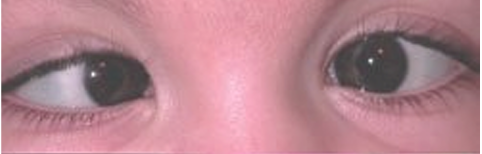
First, let’s define it. Strabismus happens when your eyes are not aligned. As a result, they do not point in the same direction at the same time. While one eye looks straight ahead, the other eye might turn:
- Inward (Esotropia)
- Outward (Exotropia)
- Upward (Hypertropia)
- Downward (Hypotropia)
This misalignment can happen all the time or it can come and go.
Why Does Strabismus Happen?
Our eyes and brain work together as a team. In fact, six muscles control each eye. Strabismus occurs when this teamwork fails. Common reasons for this breakdown include:
- Poor Muscle Control: The brain struggles to coordinate the eye muscles correctly.
- Uncorrected Vision: For instance, severe farsightedness can make the eyes turn inward as they try to focus. This is a very common cause in children.
- Nerve Damage: The nerves that send signals to the eye muscles can suffer damage. This can result from a stroke, head injury, or even diabetes.
- Genetics: Often, strabismus runs in families.
- A “Weak” Eye: If one eye sees poorly from another issue, the brain may start ignoring it. Consequently, that eye begins to drift.
Myth Buster: Can a Child Outgrow Strabismus?
This is a dangerous but common myth. The answer is simple: no, a child cannot outgrow strabismus.
In reality, waiting causes harm. If you don’t treat strabismus, a child’s brain will start ignoring the image from the misaligned eye. This defense mechanism prevents double vision. However, it also leads to amblyopia (lazy eye). Over time, the brain loses its connection to that eye, and vision can be permanently lost. For this reason, early treatment is critical.
Signs to Watch For in Children and Adults
Sometimes the signs are subtle. You should watch for these clues:
- One eye that wanders or seems misaligned.
- Squinting or closing one eye, especially in bright light.
- Tilting the head to see an object more clearly.
- Complaints about seeing double.
- Trouble with depth perception, which can look like clumsiness.
How Doctors Diagnose Strabismus
An eye doctor (ophthalmologist or optometrist) can easily diagnose strabismus during an eye exam. The process is quick and painless. The doctor performs several tests to check:
- Vision Sharpness: Reading an eye chart.
- Eye Alignment: Using special lights and prisms to measure how the eyes line up.
- Eye Teamwork: Using 3D glasses and images to see how well the eyes work together.
- Overall Eye Health: The doctor also dilates the eyes to look for any other hidden problems.
For more details on diagnosis, you can read information from a trusted source like the [External Link] American Academy of Ophthalmology.
The Good News: Doctors Can Treat Strabismus
Fortunately, there are many effective treatments. The chances of success are highest when a doctor catches the condition early.
- Glasses or Contact Lenses: Often, this is the very first step. If a vision issue is causing the problem, glasses may fix the alignment completely.
- Vision Therapy: Think of this as physical therapy for your eyes. A professional guides you through custom exercises that train the brain and eyes to work together. If you’re interested in this non-surgical approach, learn more from our guide on vision therapy exercises.
- Patching (Occlusion Therapy): If lazy eye has already started, the doctor will recommend patching. A patch goes over the stronger eye, which forces the brain to use and strengthen the weaker eye.
- Eye Muscle Surgery: This is a common and very successful surgery. A surgeon simply tightens or loosens the eye muscles to realign the eyes. Above all, this surgery aims to restore functional vision, not just improve appearance.
When Should You See a Doctor?
If you notice any signs of strabismus in yourself or your child, do not wait. You should schedule an eye exam right away. For children, early treatment—ideally before age 7—is the best way to prevent permanent vision loss.
In conclusion, living with strabismus can be a challenge. However, with modern treatments, most people can achieve a great outcome. Seeking timely care can restore alignment, function, and most importantly, confidence.