
That first scratchy feeling in your throat is an all-too-familiar warning sign. Is it just a minor irritation, or are you developing one of the most common health complaints: a throat infections? While most are mild, some can be severe and require a doctor’s care.
Understanding what’s causing your symptoms is the first step to getting better, faster. Therefore, this guide breaks down the causes of throat infections, what symptoms to watch for, and the proven ways to find relief.
What’s Causing Your Throat Infection?
Throat infections happen when a part of your throat becomes inflamed. This could be the pharynx (pharyngitis, or a common sore throat), the tonsils (tonsillitis), or the voice box (laryngitis). The cause is usually a virus or bacteria.
1. Viral Infections (The Most Common Culprit)
The vast majority of throat infections are caused by viruses. These are the same germs that cause:
- The common cold and flu.
- Mononucleosis (the “kissing disease”), which can cause severe fatigue along with a sore throat.
- COVID-19.
- Croup, a viral infection in children known for its distinct “barking” cough.
Since these are viral, antibiotics will not work against them.
2. Bacterial Infections (Less Common, But More Serious)
Sometimes, bacteria are to blame. The most well-known cause is Streptococcus pyogenes, the bacteria responsible for strep throat. If left untreated, strep throat can lead to more serious complications like rheumatic fever. In children, other bacteria can sometimes cause epiglottitis, a dangerous swelling that can block the airway.
3. Other Causes
Occasionally, your throat can be irritated by other factors, including:
- Fungal infections like oral thrush (Candida), especially in people with weakened immune systems.
- Environmental irritants such as smoke, pollution, or very dry air.
- Allergies that cause post-nasal drip, which can irritate the throat.
Key Symptoms of Throat Infections
While symptoms vary based on the cause, most throat infections include some of these classic signs:
- A sore, scratchy, or raw feeling in the throat.
- Pain that gets worse when you swallow or talk.
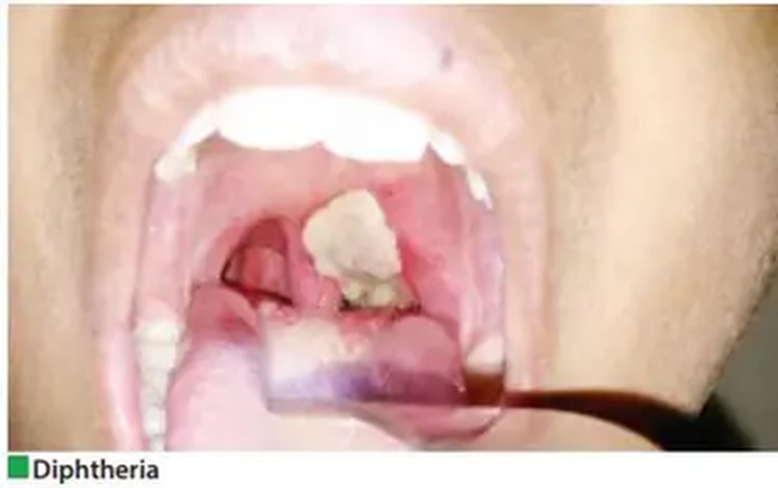
- Red, swollen tonsils, sometimes with white spots or pus (a common sign of strep throat).
- A hoarse or muffled voice.
- Swollen, tender glands (lymph nodes) in your neck.
- Fever, headache, and general fatigue.
Proven Treatments for Relief
The right treatment depends entirely on the cause.
- For Viral Infections: The focus is on symptom relief while your body fights the virus.
- Rest and Hydrate: Give your body the resources it needs to heal.
- Gargle with Warm Salt Water: A classic remedy that soothes the throat. Mix 1/2 teaspoon of salt in a full glass of warm water and gargle.
- Use Soothing Remedies: Drink warm tea with honey, use throat lozenges, or try a throat spray.
- Manage Pain: Over-the-counter pain relievers like ibuprofen or acetaminophen can reduce pain and fever.
- For Bacterial Infections: A doctor must prescribe antibiotics.
5. Take Antibiotics as Prescribed: It is crucial to finish the entire course of antibiotics (like penicillin or amoxicillin) to fully eliminate the bacteria. Do not stop early, even if you feel better. - For Fungal Infections and Irritants:
6. Use Prescribed Antifungals: A doctor will prescribe the right medication for a fungal infection.
7. Avoid Irritants: Use a humidifier to moisten the air and avoid exposure to smoke or other pollutants.
For more information on strep throat, see this guide from the Centers for Disease Control and Prevention (CDC).
When You Absolutely Must See a Doctor
Most sore throats get better on their own. However, you should see a doctor if:
- Your symptoms last longer than a week or are getting worse.
- You have a high fever, a rash, or joint pain.
- You see white patches on your tonsils.
- You have extreme difficulty swallowing or breathing.
How to Prevent Future Throat Infections
Boosting your defenses is key. For tips on how to keep your immune system strong, check out our guide to staying healthy during cold and flu season.
- Wash your hands often and thoroughly.
- Avoid sharing drinks, food, or utensils.
- Maintain a healthy lifestyle with good nutrition, sleep, and exercise.
By understanding the cause of your sore throat and taking the right steps, you can effectively banish the pain and get back to feeling your best.